5 Common Mistakes to Avoid When Using a Photocopier
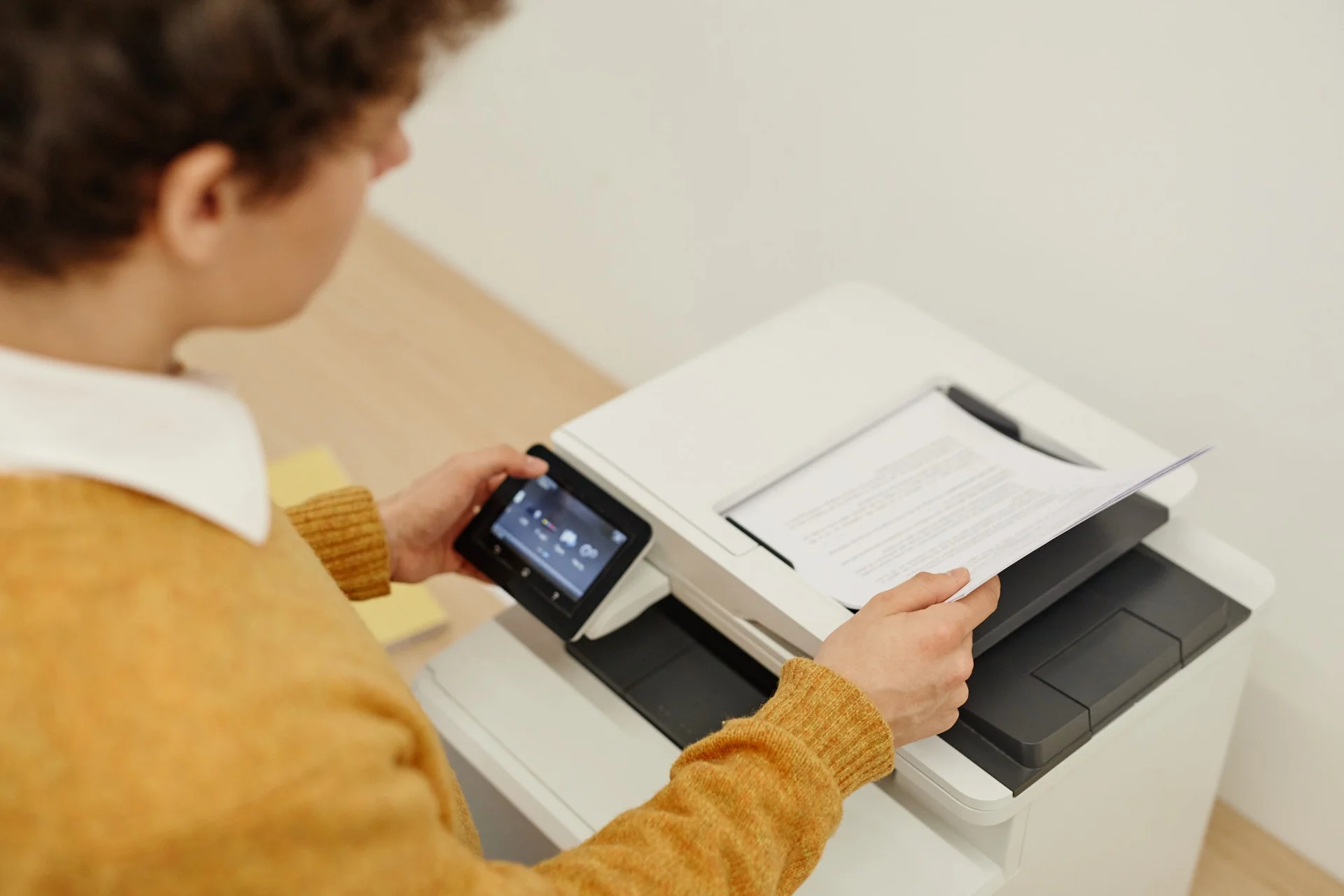
Ignoring the user manual of a photocopier may seem harmless, but it can lead to significant consequences on the device’s performance. Each photocopier is designed with its own specificities, and the manual provides valuable instructions on its optimal operation. For example, it may contain information on recommended paper types, print quality settings, and even troubleshooting tips.
By neglecting to consult this document, users risk making mistakes that could damage the device or reduce copy quality. Moreover, the user manual may also include recommendations on preventive maintenance. For example, it may indicate how often certain parts need to be cleaned or consumables like toners and drums replaced.
By not following these recommendations, users may end up with a photocopier that malfunctions or requires costly repairs. In short, taking the time to read the user manual is a crucial step in ensuring effective and sustainable use of the photocopier.
Summary
-
Not reading the user manual
-
Using poor quality paper
-
Ignoring regular photocopier maintenance
-
Not adjusting copy settings
-
Overloading the photocopier by putting too many documents in at once
Using Poor Quality Paper
Paper choice is an often underestimated factor in photocopier operation. Using poor quality paper can lead to a multitude of problems, ranging from roller clogging to copy deformation. For example, paper that is too light can tear easily in the mechanism, causing frequent jams.
Similarly, rough or textured paper can affect print quality, making texts blurry and images unclear. Photocopier manufacturers generally recommend specific paper types that are optimised for their machines. Furthermore, poor quality paper can also impact photocopier longevity.
Residues left by poor quality paper can accumulate in internal components, leading to premature wear. Therefore, investing in good quality paper is not just a matter of aesthetic results; it is also a preventive measure to extend the device’s lifespan. By carefully choosing the paper used, users can improve not only copy quality but also the photocopier’s overall reliability.
Ignoring Regular Photocopier Maintenance
Regular maintenance of a photocopier is essential to ensure its proper functioning and longevity. Ignoring this step can lead to an accumulation of problems that could easily be avoided. For example, regular cleaning of rollers and internal surfaces helps eliminate dust and ink residues that can accumulate over time.
This not only helps maintain print quality but also prevents frequent breakdowns that can occur due to neglect. Moreover, preventive maintenance also includes checking and replacing worn parts, such as toners and drums. These elements have a limited lifespan and their wear can affect the quality of copies produced.
By performing regular maintenance, users can ensure their photocopier operates at its full potential and avoid unexpected costs related to major repairs. In short, taking care of your photocopier is a proactive approach that helps optimise its daily use.
Not Adjusting Copy Settings
Modern photocopiers offer a multitude of adjustable settings that allow users to customise their copies according to their specific needs. Not taking advantage of these options can lead to unsatisfactory results. For example, if a user does not modify settings for colour printing whilst using black and white paper, they risk obtaining blurry or poorly contrasted copies.
Similarly, not adjusting resolution can affect image and text clarity. Furthermore, some photocopiers also allow adjusting settings such as brightness, contrast and even document format. Ignoring these settings can lead to a waste of time and resources, as users may have to print several versions to achieve the desired result.
By taking the time to explore and adjust these settings, users can not only improve their copy quality but also optimise paper and ink usage.
Overloading the Photocopier by Putting Too Many Documents in at Once
Overloading a photocopier is a common mistake that can have harmful consequences on its operation. Each device has a maximum capacity in terms of the number of sheets it can process simultaneously. By exceeding this limit, users not only risk causing frequent paper jams but also damaging the photocopier’s internal mechanisms.
For example, a user attempting to copy 100 sheets at once when the maximum capacity is 50 sheets could end up with a broken device. Moreover, overloading can also affect the quality of copies produced. When the photocopier is forced to work beyond its capacities, it can produce uneven or blurry prints.
This can lead to considerable time loss for users who must restart their prints or make additional adjustments. By respecting the photocopier’s capacity limits and proceeding in small quantities, users can ensure smooth and efficient operation.
Ignoring Error Messages and Continuing to Use the Photocopier
Error messages displayed by a photocopier should never be ignored. These alerts are designed to inform the user of a potential problem that could affect the device’s operation. For example, a message indicating low ink level or a paper jam must be taken seriously.
Ignoring these warnings can lead to additional damage to the device or its internal components. In some cases, this could even render the photocopier unusable until the problem is resolved. Moreover, continuing to use a photocopier despite error messages can also compromise the quality of copies produced.
A distressed device will not be able to function effectively, which could result in blurry or incomplete prints. By taking the time to examine and resolve the problems indicated by these messages, users can not only extend their device’s lifespan but also ensure each print meets their quality expectations.
Using Inappropriate Cleaning Products
Cleaning a photocopier is an essential task to maintain its optimal performance, but it is crucial to use the right products to avoid damaging the device. Many users make the mistake of using household or abrasive cleaners that can scratch sensitive surfaces or leave unwanted residues. For example, a cleaner containing alcohol or aggressive chemical agents can damage the photocopier’s lenses or rollers, leading to rapid performance degradation.
It is recommended to use only products specifically designed for cleaning photocopiers. These products are formulated to effectively remove dust and residues without harming internal components. Moreover, following the manufacturer’s instructions regarding cleaning frequency and method is essential to ensure the device remains in good condition.
By investing in the right products and respecting the manufacturer’s recommendations, users can extend their photocopier’s lifespan whilst maintaining high print quality.
Forgetting to Secure Copied Documents
The security of copied documents is often neglected in a professional environment where confidentiality is paramount. Forgetting to secure these documents can lead to leaks of sensitive or confidential information. For example, in an office where financial or legal documents are processed, leaving these copies unattended can expose the company to significant data security risks.
It is therefore essential to establish clear protocols for managing and securing all copied documents. Moreover, some modern photocopiers offer advanced features such as secure printing or data encryption. These options allow users to further protect their documents by ensuring they are only accessible to authorised persons.
By integrating these security measures into their daily process, businesses can not only protect their sensitive information but also strengthen their compliance with data protection regulations. Security should never be an afterthought; it must be integrated from the start into daily photocopier use.
Need a Professional Photocopier?
Get free personalised quotes from qualified suppliers in Belgium. Response within 24 hours, no obligation.