The Best Copiers for Adhesive Label Printing
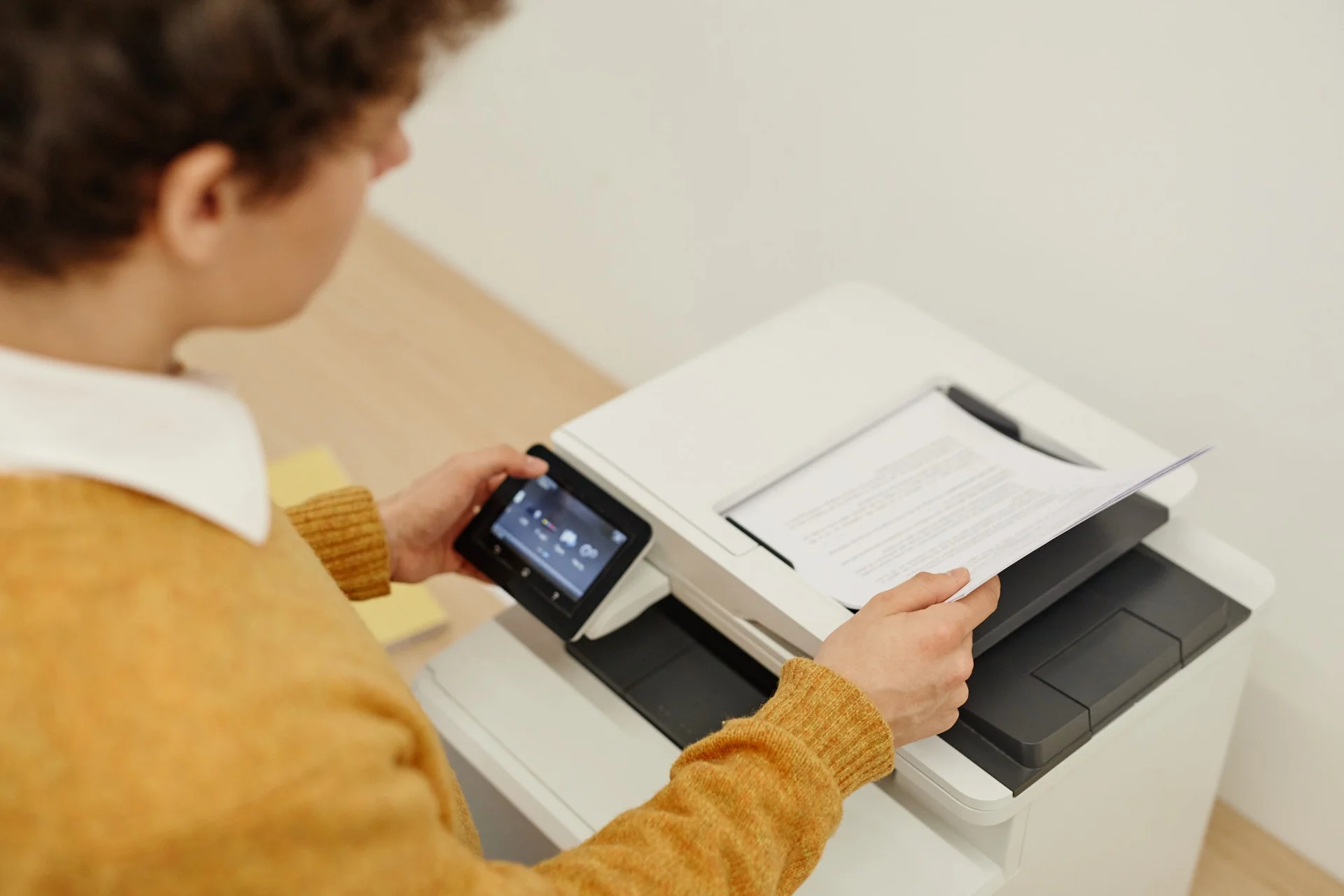
Using copiers for adhesive label printing offers many advantages that make it a popular choice for both businesses and individuals. First and foremost, the ability to produce labels in large quantities at a relatively low cost is a major asset. Modern copiers are designed to handle high print volumes, allowing labels to be created in series without compromising quality.
For example, a logistics company can print thousands of labels for its packages in a single day, optimising its operational efficiency. Moreover, copiers offer unparalleled flexibility in terms of design. Thanks to graphic design software, it is possible to customise labels according to specific needs.
Whether for product labels, barcodes, or contact information, users can easily adjust dimensions, colours, and fonts. This customisation not only meets specific customer requirements but also strengthens a brand’s visual identity. In short, using copiers for adhesive label printing combines efficiency and creativity.
Summary
-
Copiers offer fast and economical printing of adhesive labels
-
Look for copiers with high print resolution for quality labels
-
Laser and inkjet printers are compatible with adhesive labels
-
Leading copier brands for adhesive label printing are Xerox, Canon, and Brother
-
Adjust print settings such as ink density and speed for quality adhesive labels
Features to Look for in a Copier for Adhesive Label Printing
When it comes to choosing a copier for adhesive label printing, several features must be considered to ensure optimal results. The first is print resolution. A high resolution, measured in DPI (dots per inch), is essential for obtaining sharp images and legible text.
For example, a copier with a resolution of 1200 DPI will produce much clearer and more precise labels than a model with a lower resolution. This is particularly important for labels containing graphics or logos. Another crucial aspect is compatibility with different types of media.
Adhesive labels are available in a variety of materials, including matte paper, glossy paper, and vinyl. It is therefore essential that the copier can handle these different types of media without causing paper jams or quality degradation. Additionally, the ability to print on various formats, such as roll labels or sheet labels, is also a determining factor.
A copier capable of accepting various formats will allow greater flexibility in label production.
Types of Printers Compatible with Adhesive Labels
There are several types of printers that can be used for adhesive label printing, each with its own advantages and disadvantages. Inkjet printers are often chosen for their ability to produce vibrant colours and fine details. They are ideal for small runs of customised labels where visual quality is paramount.
However, they may be less efficient for high-volume printing due to the high cost of ink cartridges. On the other hand, laser printers are renowned for their speed and efficiency in printing large quantities. They use a toner that dries quickly, reducing the risk of smudging on adhesive labels.
Additionally, laser printers tend to be more economical in the long run, as toner lasts longer than liquid ink. For businesses that need to regularly print labels in large quantities, a laser printer may prove to be a wise choice.
Best Copier Brands for Adhesive Label Printing
When it comes to choosing a copier for adhesive label printing, certain brands stand out for their reputation and product quality. Canon is often cited as one of the leaders in this field thanks to its models that combine performance and reliability. Canon copiers are known for their excellent print resolution and ability to handle various types of media, including adhesive labels.
Another brand to consider is Brother, which offers a varied range of copiers suited to the needs of small and medium-sized businesses. Brother models are often praised for their ease of use and reduced operating costs. Additionally, they offer good compatibility with different types of adhesive labels, making them a popular choice among professional users.
Finally, HP is also a well-established brand in the copier sector, offering models that stand out for their advanced technology and ability to produce high-quality prints.
Print Settings to Adjust for Quality Adhesive Labels
To obtain optimal quality adhesive labels, it is crucial to adjust certain print settings before starting the process. One of the first elements to consider is the paper type selected in the copier settings. By choosing the right paper type, you ensure that the copier adapts its settings to achieve the best possible quality on the media used.
Print density is also an important parameter to adjust. Too high a density can result in excess ink on the labels, causing smudging or extended drying time. Conversely, too low a density can make colours dull and reduce text legibility.
It is therefore recommended to run some tests on samples before launching a print run to find the right balance.
Tips for Optimising Adhesive Label Printing with a Copier
Choosing Adhesive Labels
It is essential to always use high-quality adhesive labels that are specifically designed for the type of printer being used. This ensures not only better adhesion but also sharper and more precise printing.
Copier Maintenance
It is advisable to regularly clean the copier to avoid any problems related to dust accumulation or dried ink. Regular maintenance not only improves print quality but also extends the life of the device.
Periodic Calibrations
It may be useful to perform periodic calibrations to ensure that colours and resolution remain consistent over time.
Mistakes to Avoid When Printing Adhesive Labels with a Copier
When printing adhesive labels with a copier, certain common mistakes can compromise the quality of the final product. One of the most frequent mistakes is using the wrong type of paper or label. Each copier has its specifications regarding the types of media it can handle effectively.
Ignoring these recommendations can lead to paper jams or poor print quality. Another mistake to avoid is the lack of preliminary tests before a print run. It is crucial to run a few test prints to check quality and ensure that all settings are correctly adjusted.
This not only helps identify potential problems but also allows settings to be adjusted before launching large-scale production.
Alternatives to Adhesive Label Printing with a Copier
While printing adhesive labels with a copier is an effective and popular method, there are also several alternatives that can be considered depending on specific needs. One option is to use dedicated label printers, which are specially designed to produce fast and precise prints on various types of adhesive labels. These printers often offer advanced features such as automatic cutting and the ability to print on rolls.
Another alternative is to use professional printing services. For businesses that need labels in large quantities or wish to benefit from graphic design expertise, outsourcing this task may prove wise. Professional printers typically have high-end equipment capable of producing labels with superior quality and impeccable finish.
In summary, while the copier is a versatile tool for adhesive label printing, there are several other options that can meet the varied needs of users according to their specific requirements in terms of volume, quality, and customisation.
To complement your research on copiers suitable for adhesive label printing, I recommend consulting the article How to control printing costs in a business. This article could give you useful tips for optimising your printing-related expenses.
Need a professional copier?
Get free personalised quotes from qualified suppliers in Belgium. Response within 24 hours, no obligation.