How to Create a Copier Usage Policy
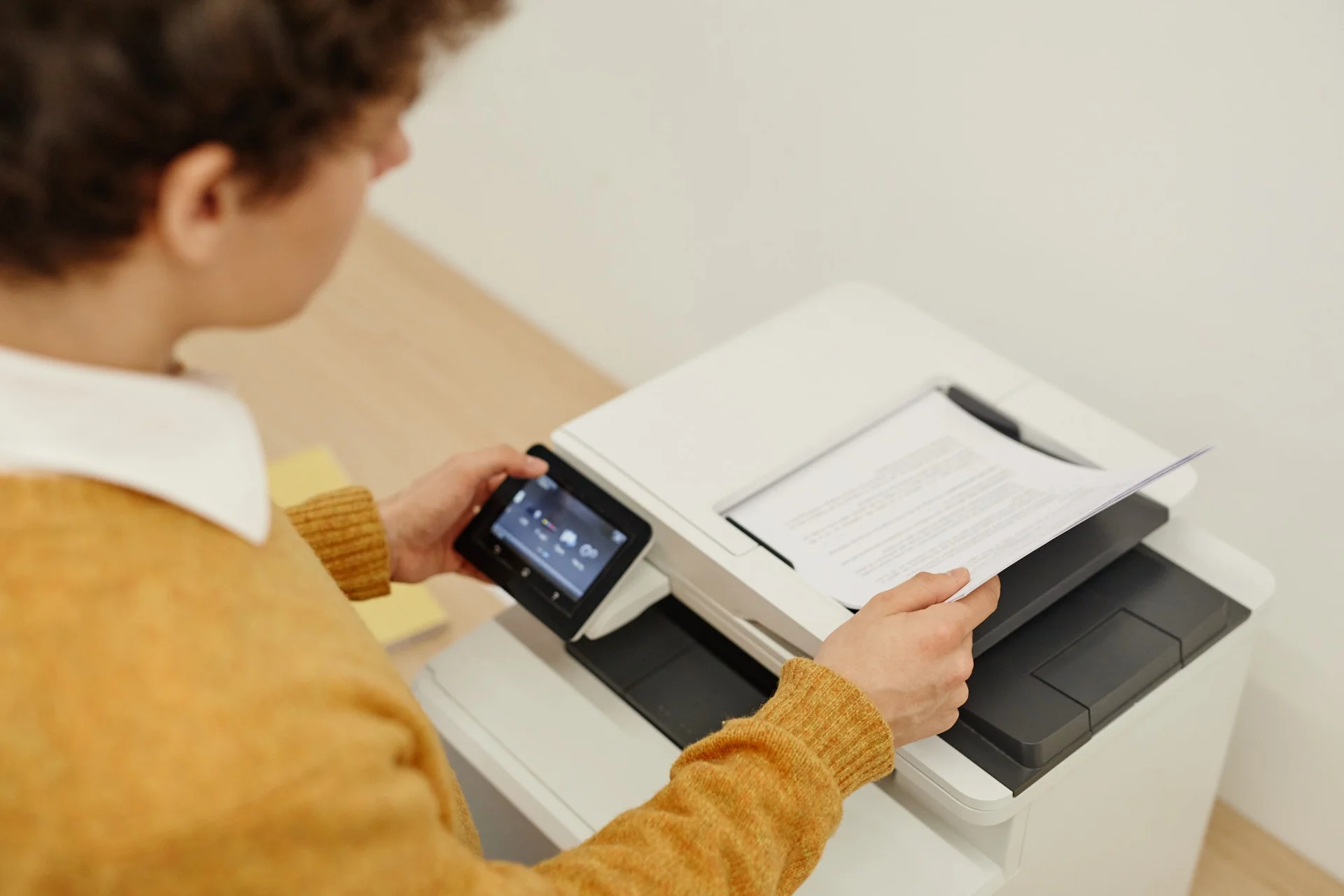
In a modern work environment, the copier is an indispensable tool that facilitates document management and communication within teams. However, to ensure effective and responsible use of this equipment, it is essential to establish a usage policy. This policy aims to define the rules and best practices to follow when using the copier, to ensure not only the proper functioning of the device but also to preserve company resources and respect the confidentiality of processed information.
Implementing a copier usage policy also helps raise user awareness of issues related to document management. Indeed, thoughtful use that respects established rules contributes to reducing costs related to printing and photocopying, while minimising environmental impact. In this article, we will explore the different sections of this policy, emphasising basic rules, safety instructions, consumables management, as well as best practices to adopt for optimal copier use.
Summary
- Introduction to copier usage policy
- Basic rules for copier use
- Safety instructions
- Consumables management
- Best practices to save paper and ink
Basic Rules for Copier Use
The basic rules for copier use are essential to guarantee harmonious and effective functioning of this equipment. First, it is essential that each user is trained in correct copier use. This includes understanding the different available functions, such as double-sided copying, paper format selection and print parameter adjustment. Good mastery of these functionalities not only optimises time spent at the machine but also avoids errors that could lead to waste.
Next, it is important to respect usage limits set by the company. This may include monthly quotas or restrictions on the type of documents that can be photocopied. By respecting these limits, users contribute to responsible resource management and the company’s financial sustainability. Additionally, it is advisable to always check that the copier is in good condition before using it, ensuring there are no paper jams or other technical problems that could disrupt its operation.
Safety Instructions
Safety is a crucial aspect when using a copier. Indeed, this device can present certain risks if adequate precautions are not taken. First, it is essential never to attempt to repair a broken copier yourself. In case of technical problem, it is recommended to call on a qualified technician to avoid any risk of accident or additional damage.
Additionally, it is important to keep the area around the copier clear to avoid falls or accidents. Users should also be aware of risks related to the use of chemicals present in certain ink cartridges or toners. It is therefore advisable to handle these consumables with caution and follow the manufacturer’s instructions. Finally, it is recommended to turn off the copier when not in use for an extended period to reduce fire risk and save energy.
Consumables Management
Consumables management is a key element for ensuring copier proper functioning and optimising its use. Ink cartridges and toners should be regularly monitored to anticipate their replacement before they are exhausted. Good management not only avoids interruptions during printing but also reduces costs related to purchasing new consumables.
It is also important to store consumables in an appropriate place, protected from humidity and extreme temperatures. This guarantees their longevity and effectiveness. Additionally, it is advisable to use compatible or manufacturer-recommended products for the copier to avoid any technical problems. By adopting a proactive approach to consumables management, users can help extend the copier’s lifespan while optimising costs related to its use.
Best Practices to Save Paper and Ink
Saving paper and ink is not only beneficial for the environment but also allows the company to reduce its operating costs. To do this, there are several best practices each user can adopt when using the copier. For example, favouring double-sided copying is an excellent way to reduce paper consumption.
Additionally, before printing a document, it is advisable to check if a digital version can suffice, which would completely avoid printing. Another effective practice is adjusting print settings according to the document’s specific needs. For example, for internal documents or drafts, it may be wise to print in economy mode or using lower print quality. This not only saves ink but also extends the lifespan of cartridges used.
Confidentiality and Data Protection Rules
Document confidentiality is fundamental. Indeed, this device can process sensitive documents containing confidential information about clients or employees. It is therefore imperative that each user be aware of risks associated with unintentional disclosure of sensitive information.
To guarantee data security, it is recommended to use access codes or authentication systems to limit copier access to authorised persons only. Additionally, after using the copier, it is essential to immediately retrieve all printed documents to prevent them from falling into the wrong hands. Finally, it is also advisable to ensure that all documents containing sensitive information are properly destroyed after use to avoid any information leaks.
Sanctions for Non-Compliance with the Policy
Non-compliance with the copier usage policy can lead to various sanctions aimed at reminding users of the importance of responsible and respectful use. These sanctions may vary depending on the severity of the offence committed. For example, a verbal warning may be given for a first minor offence, while stricter measures may be applied in case of repeated offence or serious violations.
It is important that each user be aware of potential consequences related to misuse of the copier. This includes not only disciplinary sanctions within the company but also additional costs related to repairs or premature equipment replacement.
Communication and User Training
To guarantee optimal copier use and ensure respect of the established policy, it is essential to invest in user communication and training. This may include regular information sessions on best practices to adopt as well as updates concerning equipment operation. Good communication also allows users to ask questions and express concerns about copier use.
Additionally, it may be beneficial to develop an accessible user guide for everyone so that each person can refer to the rules and best practices for copier use. By offering adequate training and encouraging open dialogue around issues related to this equipment, the company ensures all users are well informed and motivated to respect the established usage policy.
Need a Professional Copier?
Get free personalised quotes from qualified suppliers in Belgium. Response within 24 hours, no obligation.