How to Create an Optimal Maintenance Schedule
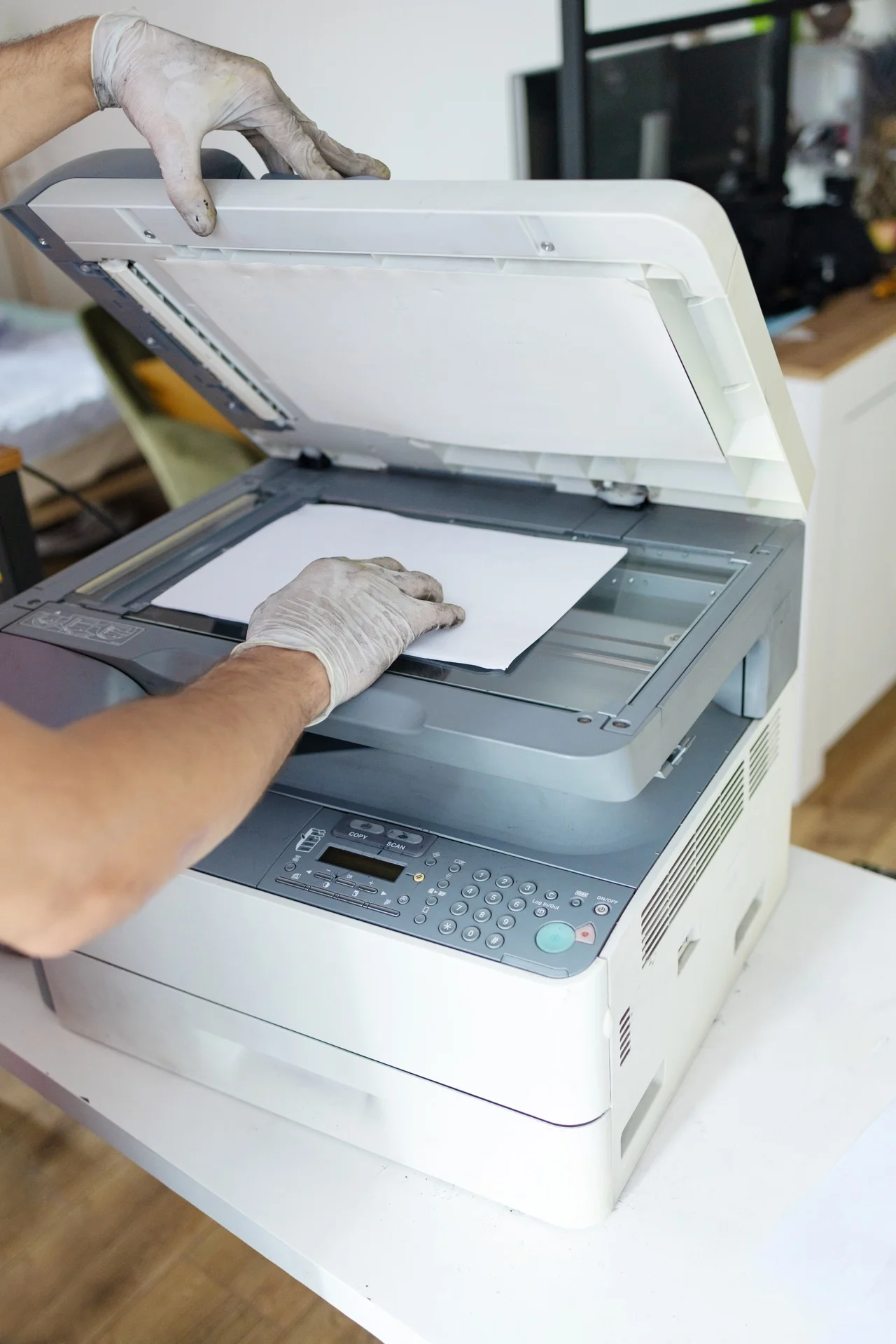
An optimal maintenance schedule is essential to ensure the durability and value of equipment. Indeed, good maintenance management not only preserves the general condition of the equipment but also avoids costly long-term repairs. For owners, this translates into peace of mind, knowing that their investment is protected.
Additionally, a well-structured schedule can also improve the appeal of assets on the market. In a competitive market, having a maintenance schedule in place can make the difference between a quick outcome and one that stagnates.
Summary
- An optimal maintenance schedule is crucial for ensuring proper equipment functioning and installation safety.
- Evaluating maintenance needs is essential for determining tasks to perform and resources needed.
- Planning maintenance tasks must be carried out strategically to minimise production interruptions.
- Determining maintenance frequencies must be based on performance and safety criteria.
- Allocating necessary resources must be balanced to guarantee maintenance operation efficiency.
Evaluating Maintenance Needs
To establish an effective maintenance schedule, it is crucial to evaluate your equipment’s specific needs. Each piece of equipment is unique and presents characteristics that may require particular attention. An in-depth evaluation helps identify areas requiring immediate attention as well as those that can be monitored long-term.
It is also important to consider environmental conditions, which can influence maintenance needs. Harsh conditions can have an impact on equipment condition. Taking these factors into account allows owners to better plan their interventions and ensure equipment remains in good condition throughout the year.
Planning Maintenance Tasks
Once maintenance needs have been identified, it is time to plan the necessary tasks. This involves drawing up a list of interventions to perform, specifying their nature and priority. For example, some tasks like gutter cleaning or garden maintenance can be performed seasonally, while others, like heating system checks, must be carried out annually. Good planning helps avoid oversights and ensures each task is performed on time.
It can also be useful to involve professionals in this planning. Indeed, calling on experts for certain tasks can guarantee quality work and avoid costly errors. Additionally, these professionals can provide valuable advice on the frequency and nature of necessary interventions, which can enrich your maintenance schedule.
Determining Maintenance Frequencies
Determining maintenance frequencies is a key step in developing an effective schedule. Each task must be associated with an appropriate frequency, whether daily, weekly, monthly or annual. For example, changing air filters in an air conditioning system should be done regularly to ensure proper functioning, while roof inspection can be done less frequently.
It is also important to adapt these frequencies based on experience feedback. If a task proves more complex or requires more attention than expected, it may be wise to increase its frequency. Conversely, some tasks can be spaced out if they don’t pose recurring problems. This flexibility optimises the schedule while meeting the equipment’s real needs.
Allocating Necessary Resources
For the maintenance schedule to be effective, it is essential to allocate the necessary resources to each task. This includes not only the budget allocated to repairs and maintenance but also the time and skills required to perform each intervention. Equipment owners must evaluate whether they can perform certain tasks themselves or whether they need to call on professionals.
It can also be useful to create a network of contacts with local craftsmen or companies specialising in equipment maintenance. This allows not only access to reliable services but also benefit from advice adapted to market specifics.
Setting Up a Tracking and Reminder System
A good maintenance schedule must be accompanied by an effective tracking and reminder system. This can take the form of a simple Excel spreadsheet or a dedicated application that tracks planned task progress. The important thing is that this system is easily accessible and understandable for all household members involved in management.
Reminders can also play a crucial role in the schedule’s success. By programming alerts for each task to perform, you ensure no intervention is forgotten. This is particularly useful for seasonal tasks that can easily go unnoticed amid other daily obligations.
Adapting the Schedule to Unforeseen Events
Life is full of unexpected events, and it is essential that your maintenance schedule is flexible enough to adapt to these changes. Events such as a sudden water leak or a storm may require immediate reassessment of priorities. It is therefore important to build in some leeway in your planning to be able to react quickly without compromising other scheduled tasks.
Additionally, it may be wise to regularly conduct a complete schedule review to ensure it remains relevant to market developments or changes in your personal situation. This adaptability will allow you not only to maintain your equipment in good condition but also to optimise its value if you are considering a future sale.
Continuous Schedule Optimisation
Finally, continuous optimisation of the maintenance schedule is essential to guarantee its long-term effectiveness. This involves regularly analysing results obtained and adjusting the planning based on experience feedback. For example, if certain tasks take longer than expected or recurring problems appear, it may be necessary to review their frequency or execution method.
Additionally, staying informed about new techniques and technologies in the equipment maintenance field can also help improve your schedule. Innovative solutions can make certain tasks simpler or less costly, which can have a positive impact on your overall budget.
Need a Professional Copier?
Get free personalised quotes from qualified suppliers in Belgium. Response within 24 hours, no obligation.