How to Ensure Preventive Maintenance of a Professional Printer
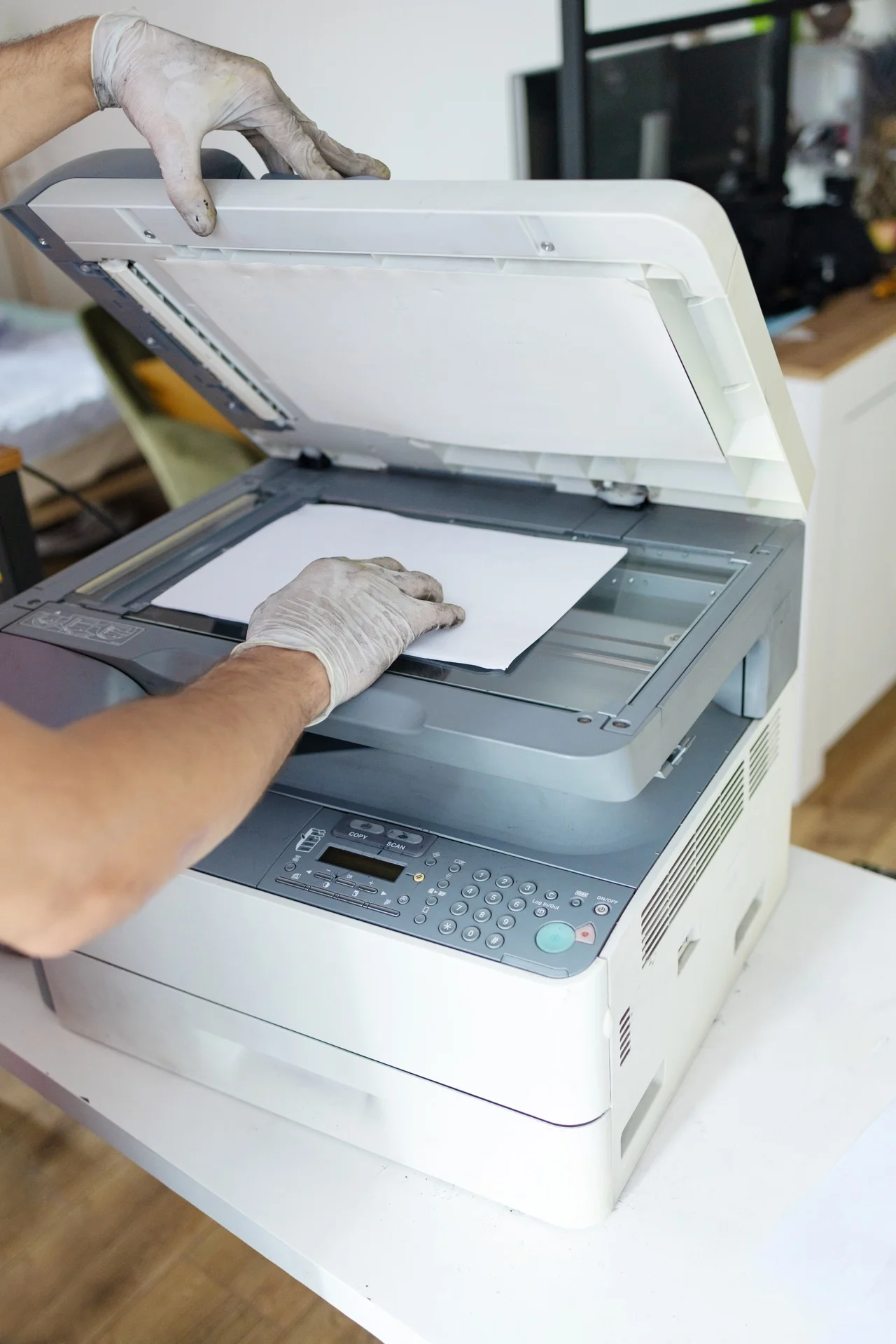
Key Steps for Effective Preventive Maintenance
In a professional world where operational continuity is crucial, the reliability of your printer fleet is essential. To guarantee flawless operation, preventive maintenance is the strategy to prioritise. Follow these key steps to ensure the longevity and optimal performance of your printing equipment.
Rigorous Maintenance Schedule Planning
The first step towards successful preventive maintenance management is to establish a precise schedule. This schedule must be adapted to the print volume and specificities of each device. It’s recommended to schedule regular checks, for example, on a quarterly basis, to avoid any unexpected interruption of your activities.
Thorough Cleaning of Essential Components
Regular cleaning of printer components is fundamental to maintain print quality and device durability. Elements such as the feed roller, print heads, and paper path must receive particular attention. Using appropriate products will ensure effective cleaning while preserving the health of your equipment.
Software Verification and Updates
The proper functioning of a printer doesn’t depend solely on its mechanics, but also on the software that drives it. Make sure you always have the latest firmware version and drivers, to benefit from improvements in terms of features and security. This process significantly contributes to minimising the risk of malfunctions.
Preventive Replacement of Wear Parts
Professional printers incorporate parts that wear out over time. To avoid breakdowns, it’s essential to replace them proactively. Components such as toner cartridges, image drums, and maintenance kits must be rigorously monitored and changed before showing signs of weakness.
Consumable Management
The quality of consumables has a direct impact on your prints and the condition of your equipment. Prioritise brand supplies or certified ones to preserve the performance of your printer fleet. Moreover, precise monitoring of consumable levels will prevent unexpected stops and guarantee constant availability of necessary resources.
User Training
Proper use of the printer by all users is just as important as maintenance performed by technicians. Training staff on best practices for use and simple daily maintenance gestures helps reduce breakdown risks and optimise device lifespan.
By following these key steps, your business will benefit from a reliable printing infrastructure capable of effectively meeting all your professional needs. Preventive maintenance is a strategic investment that will support productivity and operational excellence.
Identifying Critical Components to Monitor
Preventive Maintenance of Professional Printers: Issues and Benefits
Preventive maintenance of your professional printers is an essential performance lever for your business. Indeed, anticipating potential breakdowns and ensuring equipment longevity constitute a wise strategy to ensure optimal continuity of your activity. Not only does this approach avoid unexpected interruptions that can occur during a breakdown, but it’s also synonymous with cost control, as it reduces unforeseen expenses related to emergency repairs or equipment replacements.
Critical Components to Monitor for Proper Maintenance
Among the essential components for a printer to work properly, some deserve particular attention. Here is a non-exhaustive list of vital parts:
-
Print head: A central element that directly impacts print quality and can become clogged or deteriorate over time.
-
Feed rollers: Essential to ensure proper paper routing, they prevent jams and other inconveniences.
-
Ink or toner cartridges: Not only must you ensure they are well stocked, but also that they remain in good condition and don’t leak.
-
Memory and Firmware: Periodic updates help prevent software malfunctions and maintain performance.
Monitoring and maintaining these components may seem complex, but it’s an investment that will guarantee the reliability and durability of your printing equipment.
Verification Protocol: Ensuring Performance Consistency
Establishing a regular verification protocol is essential to detect any anomaly before it causes a major malfunction. This protocol notably includes visual inspection of parts, print quality testing, and monitoring system error messages. Also make sure to clean internal components, as recommended by the manufacturer, to prevent dust and debris accumulation that can affect your printer’s operation.
Preventive Renewal: A Winning Strategy
Sometimes, replacing certain parts before they even show signs of failure can be a relevant preventive approach. This preventive renewal of components like fusion units or maintenance kits helps avoid unplanned downtime and ensures consistent quality.
Partnership with Professional Service: Peace of Mind
It’s advisable to collaborate with a provider specialising in professional printer maintenance. These experts have the know-how that ensures accurate diagnosis and rapid, effective interventions. Their services often include maintenance contracts that adapt to your specific needs, thus guaranteeing optimal management of your printing equipment.
Ultimately, preventive maintenance is more than simple upkeep; it’s a strategic approach that contributes to your business’s performance and competitiveness. Engaging in this path means choosing efficiency and serenity for all your professional printing solutions.
Planning the Preventive Maintenance Schedule
Preventive Maintenance of Professional Printers: The Essence of Successful Planning
Professional printers are the cornerstone of document management within a business. To ensure optimal performance and extend their lifespan, preventive maintenance is not only recommended but essential. Establishing a preventive maintenance schedule is a smart approach that prevents unexpected interruptions and guarantees smooth printing operations.
Step 1: Identify Your Printers’ Maintenance Needs
Before diving into actual planning, it’s essential to know the specifics of your printer fleet. Each model may require different maintenance depending on its use and technical characteristics. Start by making a list of your equipment, noting their frequency of use, the types of regular intervention required, and manufacturer recommendations regarding maintenance. Keep in mind that preventive maintenance involves cleaning, replacing wear parts, and verifying functionality.
Step 2: Create a Specific Maintenance Schedule
Once maintenance needs are established, it’s time to convert them into a programme of planned actions. Creating a customised maintenance schedule allows programming interventions at opportune times, thus minimising disruption risk. Be sure to include:
- Regular inspections to detect possible anomalies before they cause failures.
- Frequent cleaning of sensitive components such as print heads and feed rollers.
- Periodic replacement of parts like ink or toner cartridges, drums, and maintenance kits.
- Software updates to ensure continued compatibility with operating systems and software used in your business.
Step 3: Integrate Maintenance into Workflows
For the maintenance schedule to be truly effective, it must be integrated into the company’s daily operations. Inform all stakeholders, from the administrative team to technical staff, of the importance of following the established schedule. Automated reminders and coordination with internal or external maintenance services will ensure each intervention takes place according to plan without disrupting normal activities.
Step 4: Review and Adjust the Maintenance Schedule
Preventive maintenance is not static; it requires periodic re-evaluation to stay in line with the evolving needs of your printer fleet. Analyse the effectiveness of your current plan based on incidents that occurred, maintenance costs, and user feedback. Adjustments may consist of spacing out or bringing closer maintenance intervals, or modifying procedures according to observed performance.
Aligning the Maintenance Schedule with Business Objectives
Preventive maintenance of professional printers must aim to support your business objectives by ensuring maximum availability and consistent print quality. In sum, a well-designed maintenance schedule is synonymous with peace of mind and becomes a profitable investment that improves efficiency and productivity. Take the time to set up a tailor-made maintenance schedule and you’ll quickly see the positive impact on your daily and long-term operations.
Recommended Cleaning Procedures for the Printer
The Essentials of Preventive Maintenance
To guarantee the longevity and performance of your print fleet, preventive maintenance is a key step. Regular maintenance prevents breakdowns and ensures consistent print quality, a non-negligible factor in your business’s daily efficiency. Consider it health insurance for your equipment; by practising regular maintenance, you avoid unexpected and costly troubles. This rigour in maintenance also gives your team the peace of mind necessary to focus on their tasks without unexpected interruptions.
Cleaning Critical Components
The first step towards effective cleaning is to focus on your printer’s critical components. Print heads, feed rollers, and toner cartridges are at the heart of your device’s proper functioning. These elements require particular attention and must be cleaned with appropriate products and a precise method. This prevents any accumulation of particles or paper residue that could affect print quality or cause paper jams.
Cleaning Frequency for Optimal Performance
-
General cleaning: To be done each month to dust the printer’s exterior and paper trays.
-
Print heads: Clean every three months or after each cartridge replacement, to ensure sharp print quality.
-
Feed rollers: To be inspected and cleaned at least twice a year to avoid any paper feeding problem.
Appropriate Cleaning Products
Always use cleaning products recommended by the manufacturer. This is essential not to damage sensitive components. Alcohol solutions or cleaning foams are often recommended, accompanied by lint-free cloths or special sticks to access difficult areas. It’s crucial to prioritise products specific to professional printing to ensure compatibility with the materials and designs specific to these devices.
Step-by-Step Cleaning Procedure
A methodical cleaning procedure guarantees maintenance effectiveness while protecting your equipment. Here is a step-by-step approach:
-
Unplug the printer and let it cool if necessary.
-
Clean the exterior with a soft, slightly damp cloth.
-
Carefully remove removable elements and proceed to clean them separately.
-
Use sticks and lint-free cloths to clean internal areas.
-
Inspect print heads and clean them according to manufacturer instructions.
-
Replace all components and test the device to ensure proper functioning.
Raising Team Awareness About the Importance of Cleaning
Raising awareness among your team is also a determining factor in the success of preventive maintenance. Establishing a routine and offering adequate training on cleaning procedures ensures that each member can contribute to printer preservation. Accessible documentation or scheduled reminders can greatly help in this regard.
In summary, regular preventive maintenance carried out properly is the guarantee of sustained performance and reliability of your print fleet. It’s an investment that ultimately translates into time and money savings, by preventing untimely interruptions and unforeseen repair costs. A well-maintained printer is synonymous with serenity for all and productivity maintained at its highest level.
Wear Part Replacement and Stock Management
Preventive Maintenance of Professional Printers: A Necessity for Business Continuity
Optimising the output and longevity of your professional printer fleet inevitably involves rigorous preventive maintenance. Ensuring periodic replacement of wear parts is not just good practice; it’s a strategy that guarantees reduced risk of unexpected breakdowns and maintains constant efficiency in managing your prints. A preventive maintenance schedule, when intelligently integrated into your business routines, becomes an indispensable tool for promoting optimal operational continuity.
Anticipation and Replacement of Wear Parts: A Pillar of Preventive Maintenance
Wear is inevitable on the mechanical and electronic components of a professional printer. Parts such as feed rollers, photocopier drums, print heads, or maintenance kits must be closely monitored and replaced before they compromise your print quality or equipment reliability. To avoid unexpected stops, it’s essential to identify the expected lifespan of each component and schedule their preventive replacement. Printing equipment suppliers often offer maintenance programmes that can include managing these replacements, thus ensuring that replacement parts are always of adequate quality and installed within appropriate timeframes.
Effective Spare Parts Stock Management: A Strategic Asset
Maintaining an adequate inventory of spare parts is an often underestimated aspect of preventive maintenance. Effective stock management involves not only having the necessary parts in case of replacement but also avoiding costly overstocking. It’s necessary to find a delicate balance between immediate availability of essential components and judicious investment in your inventory.
A good practice is to analyse the historical data of your equipment to anticipate wear part needs. Stock management tools based on predictive algorithms can today considerably simplify this task, allowing you to adjust your stock according to actual wear and consumption trends.
Process Optimisation and Substantial Savings
A well-oiled preventive maintenance programme is not limited to replacing parts at the right time; it must also integrate smoothly into your operations so as not to disrupt your workflow. When correctly implemented, preventive maintenance not only contributes to your printers’ longevity but also allows savings through reduced service interruptions and reasonable consumption of spare parts.
Each printer has specific requirements, and a customised strategy according to model and frequency of use will ensure your preventive maintenance investment is judiciously allocated. Regular review of this strategy will ensure its continued adaptation, best meeting your business’s evolving needs.
In summary, integrating effective preventive maintenance and optimal stock management are fundamental elements for maximising the productivity and performance of your professional printing solutions. This not only ensures consistent print quality but also controls your costs, two essential aspects for any business concerned with its durability and efficiency.
Need a Professional Photocopier?
Get free personalised quotes from qualified suppliers in Belgium. Response within 24 hours, no obligation.