How to Make Your Document Management More Efficient
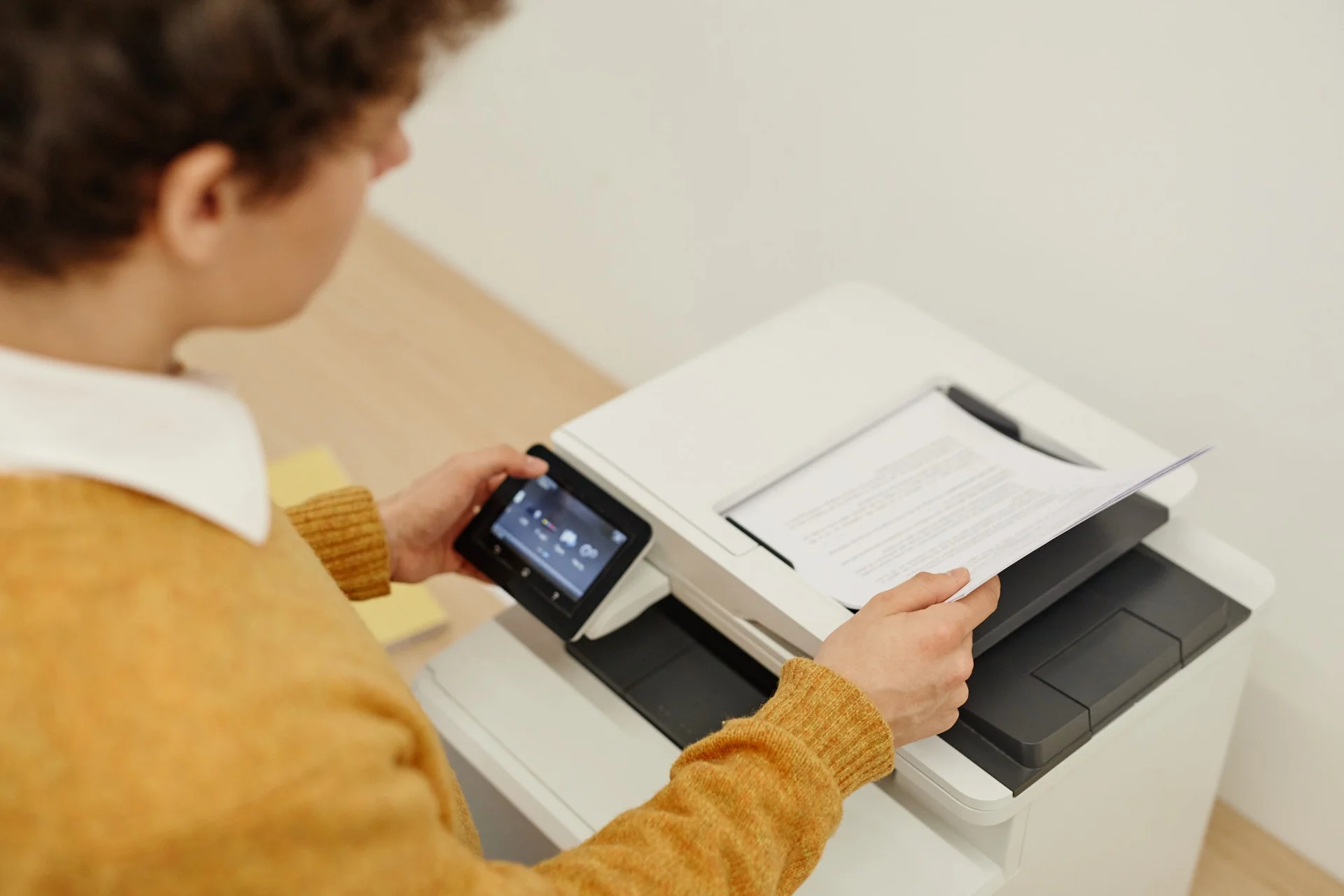
Efficient document management is essential to productivity and compliance. An average employee spends 2.5 hours per day searching for information. Optimising your document management can free up this time and improve your performance.
The symptoms of poor document management
Warning signs
- Difficulty finding documents
- Multiple versions circulating
- Obsolete documents still in use
- Lost documents
- Uncontrolled duplicates
- Slow approval processes
- Legal compliance uncertainty
The cost of inefficiency
| Problem | Estimated cost |
|---|---|
| Search time (2.5h/day/employee) | €15,000/year/employee |
| Reprinting lost documents | €500-2,000/year |
| Compliance errors | Variable (potentially €€€€) |
| Delayed decisions | Difficult to measure |
The pillars of efficient management
1. Clear classification
Define a tree structure:
- Intuitive
- Scalable
- Documented
- Shared with all
Standard example:
/Company
  /Administration
    /Legal
    /Insurance
    /Contracts
  /Accounting
    /Invoices
      /Incoming
      /Outgoing
    /Bank statements
  /HR
    /Employees
      /[Name]
    /Payslips
  /Projects
    /[Project name]
Naming rules:
- Date format: YYYY-MM-DD
- Clear separator: underscore (_) or hyphen (-)
- Standard abbreviations defined
- Version indication: v1, v2 or _final
Example: 2024-01-15_Contract_Client-Dupont_v2.pdf
2. Controlled centralisation
Avoid:
- Documents on individual workstations
- Emails as document storage
- Multiple storage locations for same type
Prefer:
- Central document server
- Cloud-based DMS (SharePoint, Google Drive…)
- Dedicated document management software
3. Rigorous versioning
Problems with poor versioning:
- Who has the latest version?
- Which changes were made?
- Who validated what?
Solution:
- Document management software with automatic versioning
- Tracked changes in Word
- Check-out/check-in for simultaneous editing
- Clear version history
4. Defined access rights
The principle:
- Each person sees only what they need
- Changes by authorised only
- Validation by designated people
- Traceability of actions
Typical structure:
- Read: wide access
- Write: department team
- Validate: managers
- Delete: administrators
5. Efficient search
Essential features:
- Full-text search (in content)
- Filter by metadata
- Filter by date
- Filter by author
- Favourite/recent shortcuts
6. Automated workflows
Manual processes to automate:
- Invoice validation
- Contract approval
- Purchase requests
- Leave requests
- Status reports
Benefits:
- Reduced processing time
- Complete traceability
- No more lost documents
- Alerts for delays
Choosing the right tools
Basic needs: file server + tree structure
For:
- Small structures (< 10 people)
- Simple needs
- Limited budget
Solution:
- Structured shared drive
- Strict naming convention
- Manual backup
Medium needs: cloud DMS
For:
- SMEs (10-100 people)
- Mobile access needs
- Team collaboration
Solutions:
- Microsoft 365 + SharePoint
- Google Workspace
- Dropbox Business
Advanced needs: specialised DMS
For:
- High regulatory requirements
- Complex workflows
- Legal archiving
- Integration with business software
Solutions:
- M-Files
- DocuWare
- Alfresco
- OpenText
The role of your copier
Your professional multifunction is the entry point for paper documents.
Scan to destination
Configure shortcuts for:
- Scan to personal folder
- Scan to project folder
- Scan to DMS with metadata
Automatic OCR
Character recognition enables:
- Full-text search in scanned documents
- Copy-paste from scans
- Automatic information extraction
Automatic naming
Configure rules:
- Date + time automatically
- Prefix by type
- Suffix by user
Direct integration
Advanced copiers integrate with:
- SharePoint
- Google Drive
- Specific DMS
- Business software (SAP, accounting…)
Implementation in 6 steps
Step 1: Audit the existing situation
- Map current locations
- Inventory document types
- Identify workflows
- Note pain points
Step 2: Define the target
- Future tree structure
- Naming conventions
- Access rights
- Automation workflows
Step 3: Choose tools
- Based on needs identified
- Budget available
- Internal skills
- Evolutivity potential
Step 4: Migrate existing documents
- Prioritise active documents
- Clean obsolete ones
- Rename according to convention
- Structure in new tree
Step 5: Train users
- Tree structure and navigation
- Naming conventions
- Search tools
- Workflows
Step 6: Accompany and adjust
- Answer questions
- Collect feedback
- Adjust as needed
- Regular reminders
Best practices
Daily habits
- Save in the right place immediately
- Name correctly from the start
- Close obsolete versions
- Use search rather than tree browsing
Periodic review
Monthly:
- Clean personal folder
- Archive completed projects
- Check document versions
Annual:
- Review tree structure
- Update conventions if needed
- Delete expired documents
- Verify compliance
Common pitfalls to avoid
❌ Too complex tree structure → If users can’t find it in 3 clicks, it’s too complicated
❌ Fuzzy naming convention → If several interpretations possible, it won’t be followed
❌ No training → Good tools unused = waste
❌ Migration too fast → Take time to clean and organise before migrating
KPIs to monitor
| Indicator | Target |
|---|---|
| Document search time | < 2 min |
| Correct naming rate | > 95% |
| Duplicate rate | < 5% |
| User satisfaction | > 80% |
| Workflow processing time | -50% |
Expected ROI
Quantifiable gains
| Element | Annual savings |
|---|---|
| Time saved on search | €5,000-15,000 (50 employees) |
| Reprints avoided | €500-1,000 |
| Storage optimisation | €200-500 |
| Accelerated workflows | €2,000-5,000 |
| Total | €8,000-22,000 |
Unquantifiable benefits
- Reduced stress
- Better compliance
- Improved collaboration
- Enhanced company image
Special focus: legal archiving
Belgian requirements
Some documents must be kept for specific periods:
- Accounting: 7 years
- Payslips: 5 years
- Contracts: duration + prescription
- Medical: 30 years
Conditions for electronic archiving
For an electronic copy to have legal value:
- Document integrity guaranteed
- Date of archiving provable
- Readability maintained over time
- Secure access
PDF/A format
PDF/A is the ISO standard for long-term archiving:
- Self-contained (fonts, images embedded)
- No external links
- Guaranteed readability
Configure your copier to scan in PDF/A for official documents.
In summary
Efficient document management rests on:
- Clear structure - intuitive tree, consistent naming
- Appropriate tools - adapted to your needs
- Defined processes - versioning, validation, archiving
- Trained users - who follow conventions
- Ongoing maintenance - regular review and cleaning
Investment in document management pays for itself quickly in productivity and peace of mind.
Need a multifunction for your document management?
Get free personalised quotes from qualified suppliers in Belgium. Response within 24h, no obligation.