How to Optimise High-Volume Document Scanning for Businesses
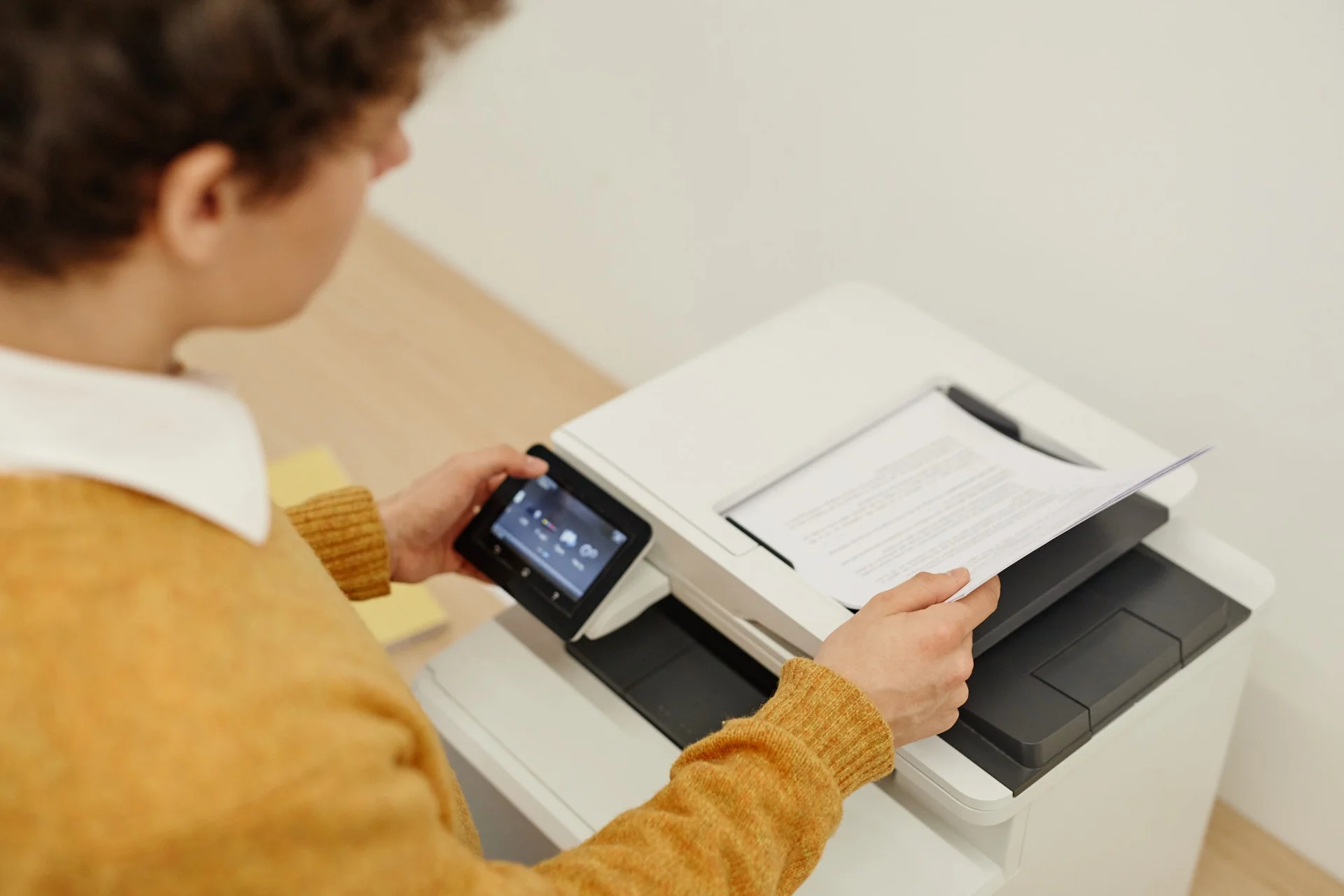
Digital transformation often begins with converting paper archives to digital format. For businesses with years of accumulated documents, high-volume scanning projects can seem daunting. However, with the right approach, equipment, and processes, you can efficiently digitise your document archives and establish ongoing scanning workflows.
Planning Your Scanning Project
Assess Your Document Inventory
Before starting, understand what you’re dealing with:
- Volume – Total number of pages/documents
- Types – Letters, contracts, invoices, forms
- Condition – Age, fragility, binding types
- Formats – A4, A3, mixed sizes, oversized
Set Clear Objectives
Define what you want to achieve:
- Compliance – Meeting regulatory requirements
- Accessibility – Easy retrieval of information
- Space – Freeing up physical storage
- Preservation – Protecting important records
Prioritise Your Archives
Not everything needs scanning immediately:
- Active files – Currently in use, high priority
- Reference documents – Occasionally accessed
- Archives – Rarely needed but must be kept
- Redundant – Consider secure destruction
Choosing the Right Scanning Equipment
Document Feeders vs. Flatbed
Automatic Document Feeders (ADF)
- Best for: Standard documents, high volume
- Speed: 50-150+ pages per minute
- Considerations: Document condition, staples, mixed sizes
Flatbed Scanners
- Best for: Fragile documents, bound materials, photos
- Speed: Slower, manual operation
- Considerations: Quality requirements, special handling
Production Scanners
For serious volume, consider production-grade equipment:
- High speed – 100+ pages per minute
- Durability – Built for continuous operation
- Features – Automatic size detection, deskewing, double-feed detection
- Capacity – Large input trays, continuous scanning
Multifunction Devices
Modern professional photocopiers offer excellent scanning:
- Integrated workflow features
- Network connectivity
- Adequate speed for ongoing scanning
- Cost-effective for moderate volumes
Optimising Scanning Settings
Resolution Guidelines
Choose appropriate resolution:
- 200 DPI – Basic document archive
- 300 DPI – Standard quality, OCR-ready
- 400-600 DPI – Detailed documents, small text
- 600+ DPI – Photographs, fine detail
Colour vs. Black & White
Consider your needs:
- Black & white – Fastest, smallest files, most text documents
- Greyscale – Photos, shaded documents
- Colour – Only when colour information is important
File Formats
Common formats and uses:
- PDF – Standard for document archives
- PDF/A – Long-term archival standard
- TIFF – High quality, large files
- JPEG – Photos, compressed
Compression
Balance file size and quality:
- Higher compression = smaller files, lower quality
- Test to find acceptable compromise
- Consider storage costs vs. quality needs
OCR and Text Recognition
Making Documents Searchable
Optical Character Recognition transforms images into searchable text:
- Full-text search across archives
- Copy and paste text content
- Data extraction for databases
OCR Best Practices
- Use 300 DPI minimum for reliable OCR
- Ensure documents are clean and readable
- Choose appropriate language settings
- Review and correct important documents
Automated Data Extraction
Advanced OCR can extract specific data:
- Invoice numbers and amounts
- Dates and reference numbers
- Contact information
- Form field data
Workflow Automation
Batch Processing
Process documents efficiently:
- Group similar document types
- Apply consistent settings to batches
- Use batch naming conventions
Automatic Routing
Configure automated destinations:
- Scan directly to network folders
- Email to recipients or groups
- Upload to document management systems
- Integration with business applications
Quality Control
Implement checks in your workflow:
- Sample review of scanned batches
- Automatic blank page detection
- Double-feed detection and alerts
- Legibility verification
Document Preparation
Before Scanning
Proper preparation improves efficiency:
- Remove staples and clips
- Repair torn pages
- Flatten folded documents
- Sort by size when possible
Handling Difficult Documents
Some documents need special attention:
- Bound documents – Book scanner or careful flatbed scanning
- Fragile papers – Reduce handling, use carrier sheets
- Carbon copies – Adjust contrast settings
- Oversized documents – Section scanning or large-format equipment
File Organisation and Naming
Folder Structure
Create logical organisation:
Archive/
├── Year/
│   ├── Department/
│   │   ├── Document Type/
│   │   │   └── Individual files
Naming Conventions
Consistent naming aids retrieval:
- Include date (YYYY-MM-DD format)
- Add document type identifier
- Include reference numbers
- Keep names reasonably short
Metadata
Add searchable information:
- Document title and description
- Keywords and categories
- Date information
- Author or source
Storage and Backup
Storage Requirements
Plan for:
- Current archive size
- Growth rate
- Redundancy needs
- Access speed requirements
Backup Strategy
Protect your digital archive:
- Regular automated backups
- Off-site or cloud storage
- Version control where needed
- Tested recovery procedures
Security
Protect sensitive documents:
- Access controls
- Encryption for confidential files
- Audit trails
- Compliance with data protection regulations
Outsourcing vs. In-House
When to Outsource
Consider professional scanning services for:
- One-time large backlog projects
- Specialised document types
- Lack of suitable equipment
- Time-critical projects
When to Keep In-House
In-house scanning suits:
- Ongoing regular scanning
- Confidential documents
- Integration with workflows
- Cost control for moderate volumes
Measuring Success
Key Metrics
Track your progress:
- Pages scanned per day/week
- Quality rate (acceptable scans)
- Cost per document
- Time to access documents (before vs. after)
Return on Investment
Calculate benefits:
- Space savings
- Time savings in document retrieval
- Reduced paper handling costs
- Compliance improvements
Conclusion
High-volume document scanning is a significant undertaking, but with proper planning, appropriate equipment, and efficient workflows, it’s entirely manageable. The key is to start with clear objectives, choose the right tools for your specific needs, and implement processes that ensure quality and consistency.
Whether you’re tackling a backlog of historical documents or establishing ongoing digitisation workflows, the investment in proper scanning infrastructure pays dividends in improved efficiency, accessibility, and document security.
Need a Professional Photocopier?
Get free personalised quotes from qualified suppliers in Belgium. Response within 24 hours, no obligation.