Photocopiers and Accessibility for Disabled People
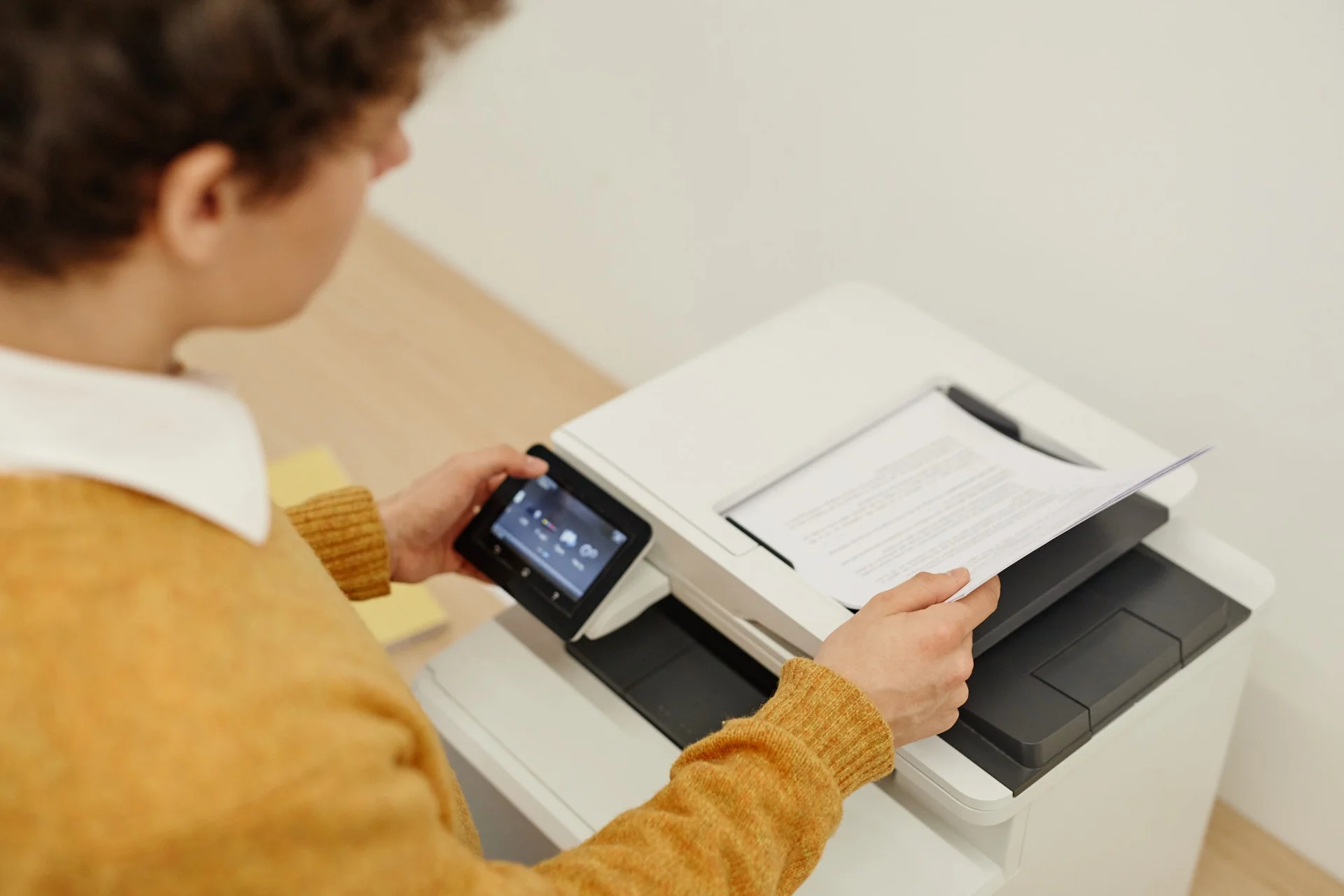
Photocopiers have become essential tools in our daily lives, whether in a professional or personal setting. They facilitate document reproduction, thus allowing efficient information management. However, it is crucial to examine the accessibility of these devices for disabled people.
Indeed, access to technology is a fundamental right, and it is imperative that all users, regardless of their physical capabilities, can benefit from the same services. Photocopier accessibility is not limited to their physical use alone. It also encompasses interface design, instruction clarity and ease of access to features.
For people with disabilities, an accessible photocopier can make all the difference, allowing them to carry out daily tasks without depending on others. In this article, we will explore the characteristics of accessible photocopiers, current standards, as well as the challenges encountered by disabled users.
Summary
-
Accessible photocopiers are designed to facilitate use by disabled people, taking into account their specific needs.
-
Accessible photocopier characteristics include user-friendly interfaces, touch controls and voice reading options.
-
Photocopier accessibility standards are defined by regulatory bodies to guarantee fair use for all.
-
Disabled people may encounter challenges such as difficulties accessing controls or reading information displayed on photocopier screens.
-
Solutions such as simplified controls, audio instructions and high contrast options can make photocopiers more accessible for disabled people.
Characteristics of Accessible Photocopiers
Touch and Voice Controls
These devices are often equipped with touch and voice controls. These features allow visually impaired or blind users to easily navigate menus and execute tasks without having to read written instructions.
Audio Feedback Systems and Physical Design
Moreover, some models integrate audio feedback systems that provide information about the device’s status and available options. Another important aspect is the physical design of photocopiers. Accessible models are often equipped with work surfaces at an appropriate height for wheelchair users.
Facilitated Access for All
They may also include access ramps and well-positioned buttons to facilitate interaction. By integrating these elements, manufacturers ensure all users can access essential features without encountering physical obstacles.
Accessibility Standards for Photocopiers
Photocopier accessibility is governed by several standards and directives aimed at guaranteeing these devices are usable by all. In Europe, the directive on the accessibility of products and services (2019/882) requires manufacturers to design products that meet the needs of disabled people. This directive also encourages innovation in the field of technological accessibility.
In Belgium, the legal framework is reinforced by the equal opportunities law, which stipulates that every person must have access to goods and services without discrimination. Photocopiers must therefore comply with these standards to be considered accessible. This includes not only technical features but also staff training on the use of these devices by people with specific needs.
Challenges Encountered by Disabled People When Using Photocopiers
Despite advances in accessibility, many challenges remain for disabled people when using photocopiers. One of the main obstacles is the lack of awareness and staff training in professional environments. Often, employees are not trained to help users with specific needs, which can lead to frustration and exclusion.
Moreover, even if some photocopiers are designed to be accessible, not all are. Users may find themselves facing obsolete or poorly maintained devices that do not meet accessibility standards. This can make using these machines not only difficult but sometimes impossible for some people.
It is therefore essential to regularly evaluate the accessibility of equipment available in public and professional places.
Solutions for Making Photocopiers More Accessible
To improve photocopier accessibility, several solutions can be implemented. Firstly, it is crucial to invest in recent models that already integrate accessibility features. Companies must also ensure their staff is trained to help disabled users navigate the various available options.
Moreover, implementing clear and visible signage around photocopiers can greatly facilitate their use. Simple and concise instructions, accompanied by illustrations, can help guide users through the photocopying process. Finally, it would be beneficial to encourage feedback from disabled users to identify areas for improvement and adapt services accordingly.
The Importance of Photocopier Accessibility for Disabled People
Access to Photocopiers, a Fundamental Right
Photocopier accessibility is of capital importance to guarantee the social and professional inclusion of disabled people. By allowing them access to these tools, they are offered the possibility of fully participating in daily life, whether at work or in their personal activities. This contributes not only to their autonomy but also to their dignity.
An Accessible Environment, a Key Factor for Success
Moreover, an accessible environment fosters a culture of inclusion within businesses and public institutions. When all employees have access to the same resources, this strengthens team cohesion and improves overall productivity.
Investing in Accessibility, a Strong Commitment to Diversity
By investing in accessibility, organisations send a strong message about their commitment to diversity and equal opportunities.
The Advantages of Having Accessible Photocopiers in Professional Environments
Accessible photocopiers do not only benefit disabled people; they also bring significant advantages to professional environments as a whole. Firstly, by making these devices accessible, companies show they value all their employees, which can improve morale and job satisfaction. Moreover, facilitated access to photocopiers can reduce time lost by employees who would otherwise need help to perform their tasks.
This allows better operational efficiency and a reduction in costs related to external assistance. Ultimately, investing in accessibility can result in a positive return on investment for companies.
Initiatives to Promote Photocopier Accessibility for Disabled People
Many initiatives have been implemented to promote photocopier accessibility and raise public awareness about this crucial issue. Non-governmental organisations are actively working to raise awareness among businesses about the importance of designing accessible products and to encourage dialogue between manufacturers and users. Furthermore, some companies have begun adopting internal policies aimed at guaranteeing all their equipment complies with accessibility standards.
This includes not only photocopiers but also other technologies used daily. By collaborating with accessibility experts, these companies strive to create an inclusive environment for all their employees. In conclusion, it is essential to continue working on photocopier accessibility to guarantee all people can benefit from these indispensable tools.
By investing in accessible solutions and raising staff awareness, we can help create a world where everyone has the opportunity to fully participate in society.
The article “Security measures to adopt for professional printers” addresses an important subject in connection with photocopiers and accessibility for disabled people. It highlights the importance of taking into account the specific needs of users with disabilities when installing and using these devices. This underlines the importance of making photocopiers accessible to all, regardless of their disability, to promote inclusion and equal opportunities.
Need a Professional Photocopier?
Get free personalised quotes from qualified suppliers in Belgium. Response within 24 hours, no obligation.