Photocopiers and Creativity: Unexpected Artistic Projects
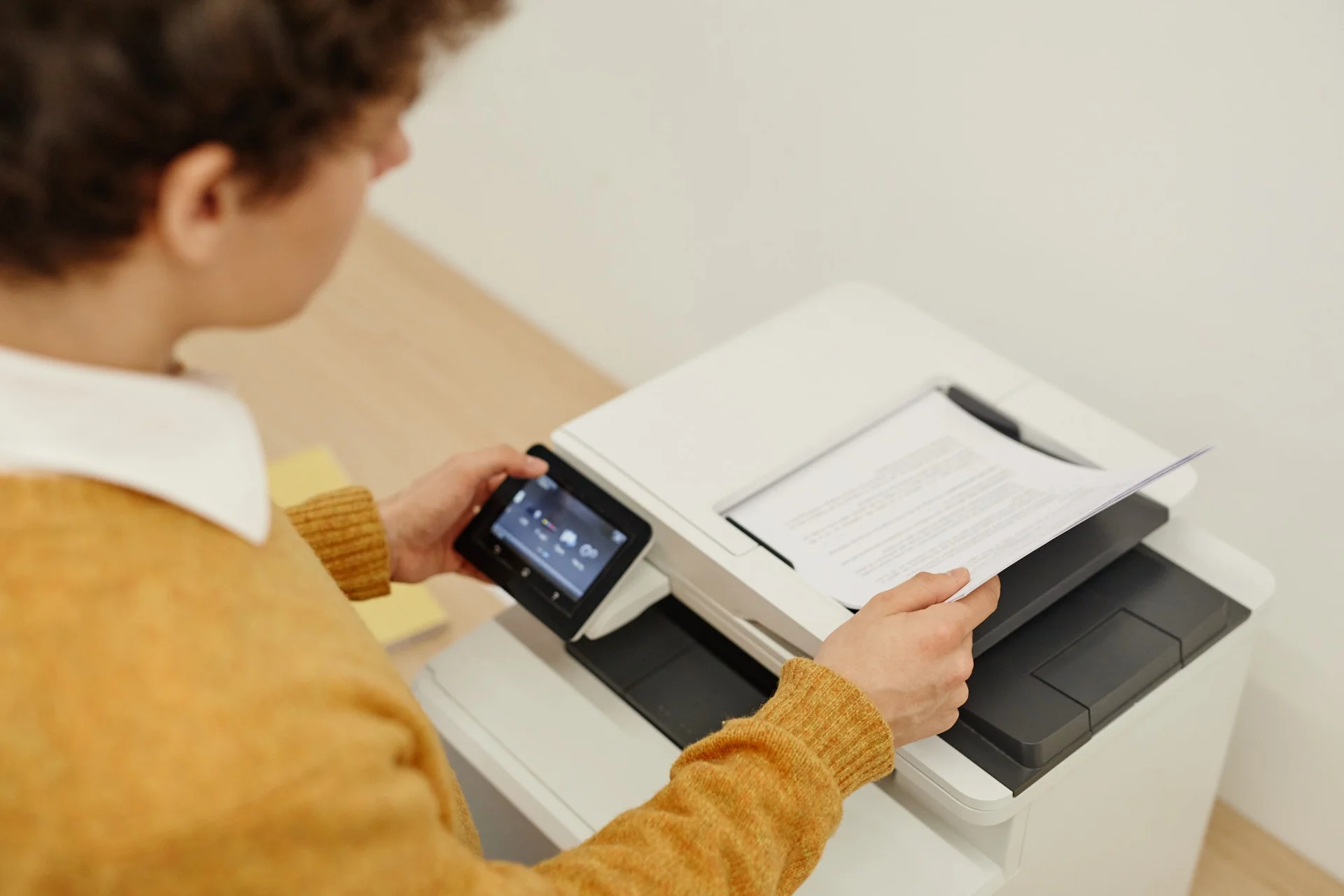
Photocopiers, often perceived as simple office machines, have found their place in the world of contemporary art. Indeed, these devices, which allow documents to be reproduced identically, offer a multitude of creative possibilities. Artists have begun exploring the capabilities of photocopiers to create unique works, playing with textures, colours, and shapes.
By using these machines, they transform a utilitarian tool into an instrument of artistic expression, thus redefining the boundaries between art and technology. The use of photocopiers in the creative process also allows experimentation with the notion of reproduction. In a world where originality is often valued, photocopiers challenge this idea by proposing a new approach to authenticity.
Artists can thus create works that question the very nature of art, whilst using a medium accessible to all.** This accessibility is a fundamental aspect that allows a wider public to engage with art and explore their own creative abilities.**
Summary
-
Photocopiers can be used as artistic tools to create unique and original works.
-
Renowned artists use photocopiers in their artistic projects to explore new forms of expression.
-
Creative techniques with photocopiers include image manipulation, colour layering, and creating unique textures.
-
Using photocopiers in art offers advantages such as rapid reproduction and the ability to experiment with different supports.
-
Unexpected artistic projects are created with photocopiers, ranging from zine creation to complex artistic installations.
Artists Who Use Photocopiers in Their Projects
Many contemporary artists have integrated photocopiers into their artistic practice. Among them, we can cite iconic figures such as Robert Rauschenberg and his innovative use of silk-screen printing, which opened the way to other forms of experimentation with reproduction machines. Other artists, such as the Japanese artist collective “TeamLab”, also exploit photocopiers to create immersive installations that merge art and technology.
These artists do not merely use photocopiers to reproduce images; they consider them as a means of expression in their own right. For example, some of them use photocopiers to create complex collages, layering different images and playing with transparency. This approach allows for the creation of dynamic works that captivate the viewer and spark reflection on the creation process itself.
Creative Techniques with Photocopiers
The creative techniques employed by artists using photocopiers are varied and often surprising. One of the most common methods involves playing with light and shadow. By modifying the light intensity during the photocopying process, artists can obtain unique visual effects that add an additional dimension to their works.
Additionally, by using different types of paper and experimenting with machine settings, they can create interesting textures that enrich their work. Another innovative technique is “photocollage”, where artists assemble multiple photocopies to form a single coherent work. This method not only allows for mixing different images but also for exploring themes such as memory and identity.
By juxtaposing disparate elements, artists can create visual narratives that invite the viewer to interpret the work according to their own perspective.
Advantages of Using Photocopiers in Art
One of the main advantages of using photocopiers in the artistic field is their accessibility. Unlike other artistic media that may require advanced technical skills or expensive materials, photocopiers are widely available and easy to use. This allows a greater number of artists, including beginners or those without access to significant financial resources, to express themselves and create.
Furthermore, photocopiers offer a speed of execution that can be very beneficial for the creative process. Artists can quickly produce multiple versions of the same work, allowing them to experiment without constraint. This ability to iterate quickly encourages innovation and encourages artists to explore new ideas without fearing failure.
Thus, the photocopier becomes a true partner in the creative process.
Unexpected Artistic Projects Created with Photocopiers
Over the years, several unexpected artistic projects have emerged thanks to the use of photocopiers.** For example, some artists have created interactive installations where the public is invited to use a photocopier to produce their own works.** This type of approach not only engages the viewer but also challenges the traditional notion of author and originality in art.
Other projects have explored the theme of recycling and sustainability by using photocopies of recycled materials to create works of art. These initiatives highlight the importance of environmental awareness in the world of contemporary art and show how a tool as mundane as a photocopier can be used to address important societal issues.
Limitations of Using Photocopiers in Art
Despite their many advantages, using photocopiers in art also presents certain limitations. One of the main concerns is image quality. Although modern photocopiers are capable of producing high-quality reproductions, they cannot always compete with other artistic techniques such as painting or professional photography.
This can sometimes restrict the creative scope of artists wishing to explore fine details or subtle nuances. Additionally, there is a certain stigmatisation associated with using photocopiers in the art world. Some critics consider that this practice lacks authenticity or cannot be compared to more traditional art forms.
This perception can discourage some artists from exploring this creative path, despite its innovative potential.
Photocopiers as a Means of Democratising Art
One of the most fascinating aspects of using photocopiers in art is their ability to democratise artistic creation.** By making art accessible to a wider audience, these machines allow everyone to experiment and engage with the creative process.** This opens the door to a diversity of artistic expressions that reflect a multitude of voices and experiences.
Furthermore, this democratisation also manifests itself in the sharing and dissemination of works created with photocopiers. Thanks to social networks and online platforms, artists can easily share their creations with a global audience, without needing to go through the traditional circuits of the art world. This fosters a more inclusive and participatory artistic culture.
The Future of Photocopier Use in Artistic Creation
The future of photocopier use in artistic creation seems promising. With the constant evolution of technology, these machines will likely continue to offer new possibilities to artists. For example, the integration of digital and interactive features could allow artists to explore even further the limits of the medium.
Furthermore, as society continues to evolve towards a more inclusive and collaborative approach to art, photocopiers will likely play a key role in this transformation. By allowing everyone to access the tools necessary to create and share their art, these machines could help shape an artistic future where creativity is truly accessible to all. In conclusion, photocopiers prove to be much more than simple utilitarian tools; they have become powerful instruments of artistic expression and innovation.
Whether through their accessibility or their ability to challenge established norms, they open the way to a new era of creativity where everyone can participate in the artistic dialogue. If you are interested in this art form or wish to explore your own creative abilities, do not hesitate to consult our platform to discover how you can benefit from free estimates from specialised agencies in your region.
In the article “Photocopiers and Creativity: Unexpected Artistic Projects”, we explore how photocopiers can be used innovatively to create unique works of art. A related article that might interest readers is “How Does a Photocopier Work”. This article explains the internal workings of photocopiers, which can enrich artists’ understanding of the creative possibilities offered by these machines. By better understanding the technology behind photocopiers, artists can fully exploit their potential for even more innovative artistic projects.
Need a Professional Photocopier?
Get free personalised quotes from qualified suppliers in Belgium. Response within 24 hours, no commitment.