Photocopiers and Health: Fine Particles and Ventilation
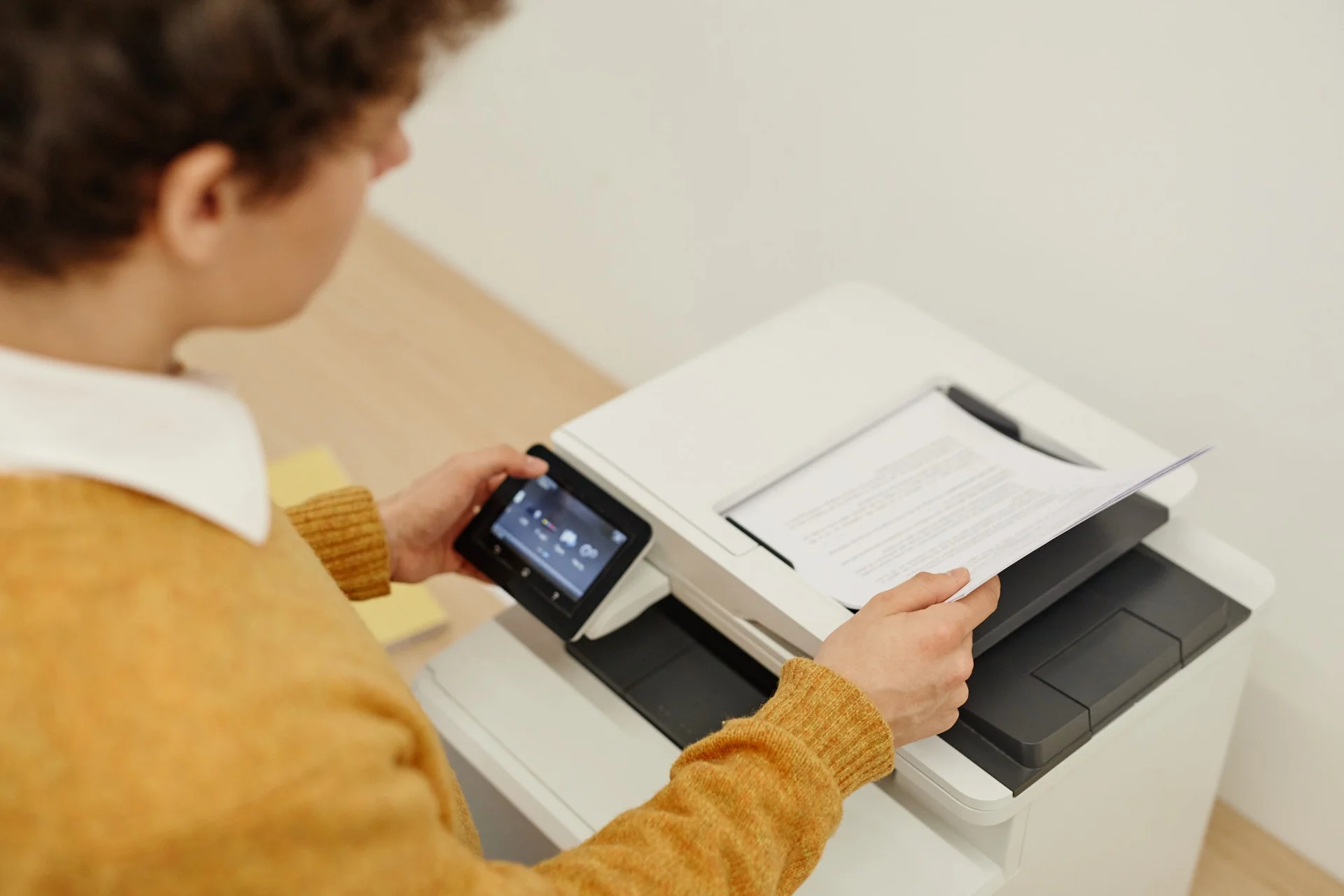
Photocopiers are omnipresent devices in modern offices, facilitating document reproduction in record time. Their use has become widespread, both in businesses and in educational establishments, due to their efficiency and ability to produce high-quality copies. However, behind this convenience lie concerns regarding health and the environment.
Indeed, few people are aware of the potential effects of photocopiers on indoor air quality, particularly regarding the fine particles they can emit. In this article, we will explore in depth the risks associated with photocopiers, focusing on the fine particles they release, the health consequences, as well as prevention measures and available alternatives. It is essential to inform users about these issues so they can make informed decisions regarding the use of these devices in their work environment.
Summary
-
Photocopiers are commonly used devices in offices to reproduce documents.
-
Fine particles emitted by photocopiers can present a health risk, particularly for people with respiratory problems.
-
Adequate ventilation is essential to reduce health risks related to fine particles emitted by photocopiers.
-
There are specific safety and ventilation standards for photocopiers to protect user health.
-
Prevention measures such as regular photocopier maintenance and filter use can help reduce exposure to fine particles.
Fine Particles Emitted by Photocopiers
Photocopiers operate through a complex process that involves fusing toner onto paper. This toner, although effective for producing sharp prints, can also release fine particles into the air. These particles, often invisible to the naked eye, are classified as PM10 and PM2.5, depending on their size.
PM10 are particles with a diameter less than 10 micrometres, whilst PM2.5 are even smaller, measuring less than 2.5 micrometres. These particles can come from different sources within the photocopier, including the toner itself, but also from paper residues and internal device components. When released into the air, they can disperse quickly and be inhaled by people present in the room.
It is therefore crucial to understand how these emissions occur and what their implications are for health.
Health Risks Related to Fine Particles
Inhaling fine particles can have serious health consequences.** Studies have shown that prolonged exposure to these particles can lead to respiratory problems, cardiovascular diseases, and even adverse effects on the nervous system.** People already suffering from respiratory conditions, such as asthma or chronic bronchitis, are particularly vulnerable to the harmful effects of fine particles.
Furthermore, some research suggests that long-term exposure to particles emitted by photocopiers could be linked to an increased cancer risk. Although these studies are still ongoing and more research is needed to establish a direct link, it is undeniable that indoor air quality must be a priority for any business or institution using these devices. Awareness of these risks is essential to protect the health of employees and users.
Ventilation and Its Role in Reducing Health Risks
Ventilation plays a crucial role in reducing risks associated with photocopiers.** An adequate ventilation system allows fine particles to be evacuated and improves indoor air quality.** By regularly renewing a room’s air, pollutant concentration is decreased and a healthier environment is fostered for everyone.
It is recommended to install mechanical ventilation systems (MVS) in offices where multiple photocopiers are located. These systems not only evacuate stale air but also introduce fresh air from outside. Additionally, it is important to ensure regular maintenance of ventilation systems so they operate effectively and do not become an additional source of pollution.
Safety and Ventilation Standards for Photocopiers
Faced with growing concerns about health and the environment, several standards have been put in place to regulate photocopier use. These standards aim to limit fine particle emissions and ensure a safe working environment for users. For example, certain certifications, such as the Blue Angel label or the Energy Star label, guarantee that devices meet strict pollutant emission criteria.
Regarding ventilation, there are also specific recommendations concerning air renewal rates in offices equipped with photocopiers. These recommendations vary depending on the number of devices present and the air volume in the room. It is essential for businesses to comply with these standards to ensure the safety and well-being of their employees.
Prevention Measures to Reduce Exposure to Fine Particles
To minimise exposure to fine particles emitted by photocopiers, several preventive measures can be implemented. Firstly, it is advisable to install photocopiers in well-ventilated areas, away from main work spaces. This helps reduce particle concentration in the air that employees breathe.
Next, it is important to perform regular photocopier maintenance to ensure they operate correctly and do not release more particles than necessary. This includes cleaning filters and replacing toner according to manufacturer recommendations. Finally, raising staff awareness about good practices for photocopier use can also help reduce health risks.
Alternatives to Traditional Photocopiers to Reduce Health Risks
With technological evolution, several sustainable alternatives to traditional photocopiers have emerged. Among these, we find inkjet printers which generally emit fewer fine particles than laser photocopiers. Additionally, some businesses are turning to digital solutions to reduce their dependence on paper printing.
Online document sharing platforms allow users to exchange files without needing to print them. This not only reduces paper and ink use but also decreases exposure to fine particles generated by photocopiers. By adopting these alternatives, businesses can not only improve their environmental impact but also protect employee health.
Conclusion and Recommendations for Safe Photocopier Use
In conclusion, although photocopiers are indispensable tools in the modern professional world, it is crucial to be aware of the risks associated with their use. The fine particles they emit can have adverse health effects, but with good ventilation and compliance with safety standards, it is possible to minimise these risks. We recommend that businesses regularly evaluate their photocopier use practices and consider alternatives when possible.
Additionally, it is essential to inform and train staff on good practices to ensure a healthy work environment.** For those considering purchasing or replacing a photocopier, it may be wise to explore the options available on the market that meet environmental and health standards.** Finally, do not forget that you can obtain a free estimate for your property project via our platform.
This could help you make an informed decision if you are considering a sale or purchase related to your professional space.
The article “Photocopiers and Health: Fine Particles and Ventilation” addresses concerns related to the impact of photocopiers on health, particularly regarding fine particles and adequate ventilation. For those seeking to deepen their understanding of printing equipment, a related article could be useful. For example, the article “How to Choose the Right Professional Printer Supplier” offers valuable advice on selecting a supplier who can meet your needs whilst considering health and safety aspects. This can be particularly relevant for businesses concerned about minimising risks associated with photocopier and printer use.
Need a Professional Photocopier?
Get free personalised quotes from qualified suppliers in Belgium. Response within 24 hours, no commitment.