Photocopiers and SME Digital Transformation
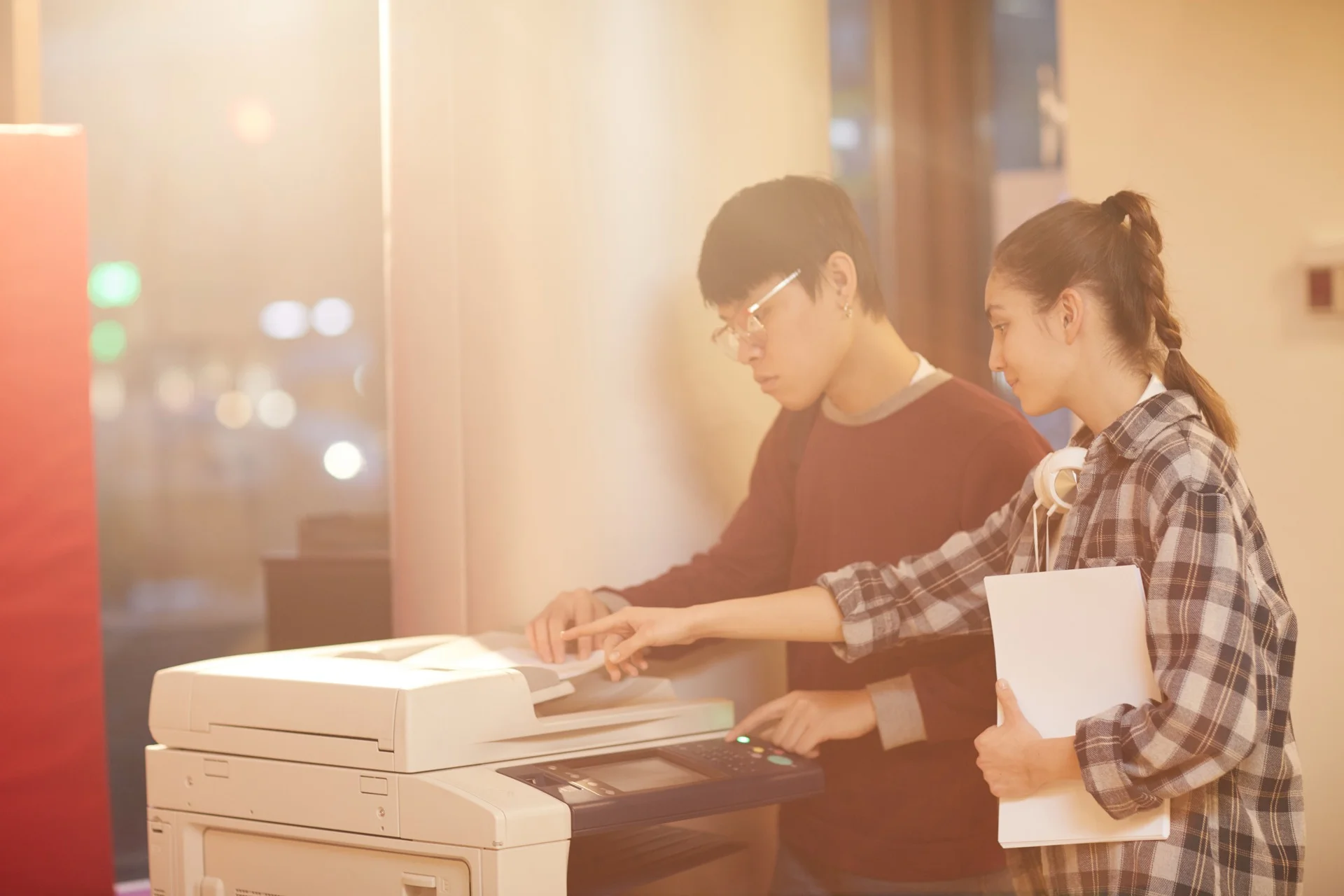
In the current context of digital transformation, photocopiers play an essential role for small and medium-sized enterprises (SMEs). Indeed, these devices are no longer limited to simple printing or document photocopying. They have become multifunctional tools that facilitate information flow management within companies.
Thanks to their ability to scan, send by email and store documents, modern photocopiers allow SMEs to reduce their paper dependence, which is not only beneficial for the environment but also for operational efficiency. Moreover, integrating these devices into SMEs’ daily operations promotes better collaboration between teams. Connected photocopiers allow instant access to scanned documents, facilitating information sharing and rapid decision-making.
By adopting these technologies, SMEs can improve their productivity and responsiveness to market demands. Thus, investing in a modern photocopier can prove to be a strategic choice for any company wishing to position itself favourably in an increasingly digitalised environment.
Summary
-
Photocopiers can help SMEs digitalise their processes and improve operational efficiency
-
Photocopiers offer advanced features such as scanning to cloud and electronic document management
-
Searching for a photocopier for effective digital transformation should include features such as mobile connectivity and data security
-
Integrating photocopiers into SME document management systems can improve collaboration and productivity
-
Potential challenges related to photocopier use in SME digital transformation include data security and change management
How Photocopiers Can Facilitate the Transition to Digital for SMEs
Creating Digital Archives
By allowing scanning of paper documents, these devices help companies create digital archives, thus reducing the need for physical storage. This not only frees up office space but also allows quick and easy access to information, which is crucial in a world where time is often limited.
Advanced Features for More Efficient Document Management
Moreover, today’s photocopiers are often equipped with advanced features such as OCR (optical character recognition), which converts printed documents into editable digital files. This paves the way for smoother and more efficient document management. SMEs can thus automate processes such as invoicing or contract management, which reduces human errors and improves overall productivity.
Preparing for Future Challenges
By integrating these technologies into their daily operations, SMEs can not only facilitate their transition to digital but also prepare to meet future challenges.
Key Features to Look for in a Photocopier for Effective Digital Transformation
When choosing a photocopier to support an SME’s digital transformation, certain features are essential. Firstly, scanning capability is paramount. A good photocopier must be able to quickly scan documents in high resolution and save them in various formats (PDF, JPEG, etc.).
This allows companies to maintain optimal quality whilst facilitating sharing and archiving. Next, connectivity is another crucial criterion. Modern photocopiers must be compatible with Wi-Fi and Ethernet networks, thus allowing easy integration with other devices and systems used by the company.
Moreover, the ability to access cloud services is a major asset. This allows users to store and access their documents from anywhere, thus promoting remote working and flexibility. By choosing a photocopier with these key features, SMEs can ensure they have the tools necessary to succeed in their digital transformation.
Integrating Photocopiers into SME Document Management Systems
Integrating photocopiers into document management systems is a crucial step to maximise their effectiveness within the framework of digital transformation. By linking these devices to document management software, SMEs can automate information flow and considerably reduce time spent on document management. For example, a scanned document can be automatically filed in the correct digital folder without manual intervention, which minimises error risks.
Moreover, this integration allows better document traceability. Companies can track who accessed which document and when, which is particularly important for compliance and security reasons. By centralising all information within a single system, SMEs can also improve their internal collaboration.
Teams can easily access necessary documents without having to search through physical files or scattered files on different computers. Thus, integrating photocopiers into document management systems represents a powerful lever for optimising internal processes.
Potential Challenges Related to Photocopier Use in SME Digital Transformation
Despite their many advantages, using photocopiers in the context of digital transformation is not without challenges. One of the main obstacles lies in the resistance to change that some teams may experience. Moving from a paper-based system to a digital environment requires adaptation that can be difficult for some employees accustomed to traditional methods.
It is therefore essential that leaders accompany this transition through clear communication and awareness of digital benefits. Another potential challenge concerns data security. With the increase in digitalised information volume, it is crucial that SMEs implement adequate measures to protect their sensitive data.
Connected photocopiers can be vulnerable to cyberattacks if appropriate security protocols are not in place. It is therefore recommended to invest in robust security solutions and train staff on best practices in data protection.
Current Trends in Photocopiers and Their Impact on SME Digital Transformation
Multifunction Photocopiers, a Solution for Optimising Processes
One of the major trends is the rise of multifunction photocopiers that integrate not only printing and photocopying but also advanced features such as scanning to cloud or direct email sending. These devices allow companies to optimise their processes whilst reducing the need for multiple equipment.
Sustainability and Energy Efficiency, a Priority for SMEs
Another significant trend is the emphasis on sustainability and energy efficiency. More and more manufacturers offer models designed to consume less energy and use fewer resources, which responds to a growing demand for responsible business practices. For SMEs, this means not only reduced operating costs but also an improved brand image with environmentally conscious customers.
Modernising Operations and Positioning as a Responsible Player
By adopting these new technologies, companies can not only modernise their operations but also position themselves as responsible players in the market.
Best Practices for Maximising Photocopier Use in SME Digital Transformation
To fully benefit from photocopiers in the context of their digital transformation, SMEs must adopt certain best practices. Firstly, it is essential to establish a clear strategy regarding the use of these devices. This includes defining document processes and identifying the types of documents that will be scanned and archived.
A structured approach helps avoid digital clutter and ensures each document is easily accessible when needed. Next, it is recommended to encourage a culture of innovation within the company. Employees must be trained not only to use photocopiers but also to explore all their advanced features.
Regular training sessions can help maintain a high level of competence and encourage the adoption of new digital practices. By actively involving staff in this transition, SMEs can create an environment conducive to innovation and continuous improvement.
The Importance of Training and Technical Support for Optimal Photocopier Use in SME Digital Transformation
Training and technical support are two crucial elements to guarantee optimal photocopier use in the context of SME digital transformation. Without adequate training, even the best equipment can become underused or misused. It is therefore imperative that companies invest in training programmes adapted to their teams’ specific needs.
This may include practical sessions on scanning, digital archiving or even advanced use of photocopier features. Alongside training, responsive technical support is essential for quickly resolving any problems that may arise during equipment use. SMEs must ensure they have access to a reliable support service that can intervene quickly when needed.
This not only helps minimise downtime related to technical breakdowns but also strengthens employee confidence in the daily use of digital equipment. By investing in these two aspects, SMEs can maximise their return on investment in photocopiers and guarantee a smooth transition to an efficient digital environment.
To learn more about optimising costs related to using a professional photocopier, I recommend consulting the article “How to optimise your costs by renting a photocopier”. This article offers practical advice for reducing expenses related to printing and scanning in SMEs undergoing digital transformation.
Need a Professional Photocopier?
Get free personalised quotes from qualified suppliers in Belgium. Response within 24 hours, no obligation.