The psychology of queues at the copier
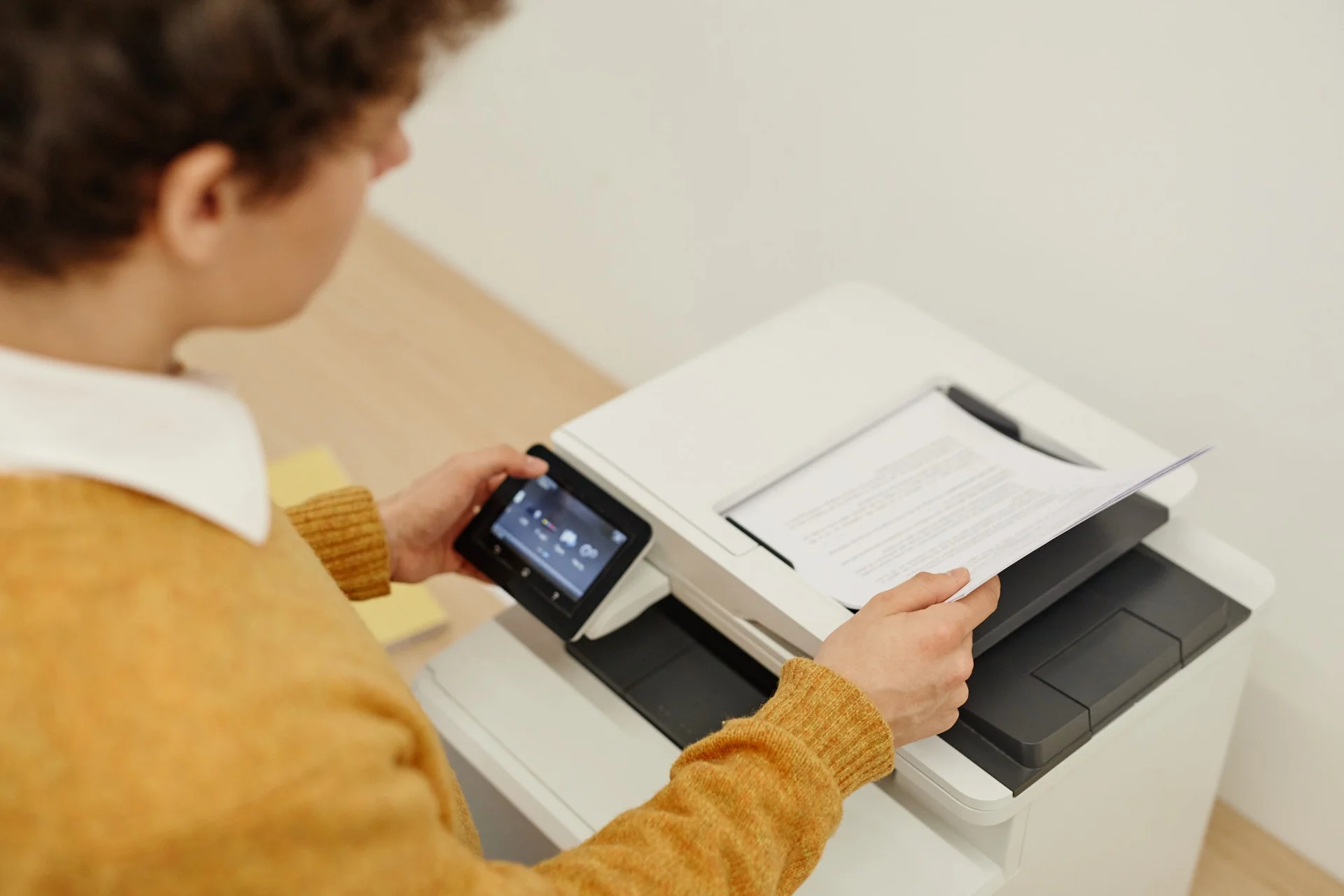
In our daily lives, it is inevitable to find ourselves in waiting situations, whether in a queue at the supermarket, at the bank or even in front of a copier at the office. Understanding individuals’ behaviour in these moments can help us better manage our own impatience and improve the overall waiting experience. Indeed, the way we perceive passing time and our state of mind during these periods can influence our satisfaction and well-being.
Understanding waiting behaviour is also crucial for businesses and organisations. By optimising the experience of clients or employees, they can reduce the stress and frustration associated with waiting. This can translate into better productivity, increased client loyalty and a more pleasant working atmosphere.
Thus, it is essential to explore the different psychological aspects that influence our experience of queues.
Summary
-
Understanding individuals’ behaviour while waiting is crucial for improving the queue experience
-
Psychological factors play an important role in how people experience queues
-
Frustration and impatience can have a negative impact on the behaviour of people waiting
-
Individuals use different strategies to manage waiting at the copier
-
The perception of time influences the queue experience and must be taken into account
Psychological factors that influence the queue experience
Several psychological factors play a key role in how we experience waiting. First of all, the perception of time is often subjective. For example, when we are engaged in a pleasant activity, time seems to pass faster.
Conversely, when we are in a situation perceived as boring or frustrating, every minute can seem like an eternity. This perception can be influenced by our emotional state, our expectations and even our level of fatigue. Moreover, the social context in which waiting takes place can also affect our experience.
Waiting alone can be perceived as more painful than waiting in the company of other people. Social interactions can alleviate the feeling of boredom and make waiting more bearable. Therefore, it is important to take these psychological factors into account to better understand how individuals react to waiting.
The impact of frustration and impatience on the behaviour of people waiting
Frustration and impatience are common emotions that we feel when faced with prolonged waiting. These feelings can have a significant impact on our behaviour. For example, an impatient person may become irritable, which can affect their interactions with others.
In a work environment, this can create a tense atmosphere and harm collaboration between colleagues. Moreover, frustration can also lead to impulsive behaviour. A person who waits too long in front of a copier might decide to leave their post to look for another solution, even if it’s not optimal.
This hasty decision-making can have consequences on productivity and efficiency at work. It is therefore crucial to recognise these emotions and find ways to manage them to improve the waiting experience.
Waiting management strategies used by individuals in queues at the copier
Faced with the inevitability of waiting, individuals often develop strategies to make this experience more bearable. For example, some may choose to occupy their minds by reading a book or checking their mobile phone. Others may engage in conversation with a colleague to pass the time more quickly.
These strategies not only reduce the perception of passing time but also decrease the stress associated with waiting. It is also possible to adopt relaxation techniques to better manage impatience. Breathing exercises or moments of meditation can help calm the mind and make waiting less painful.
By integrating these strategies into our daily lives, we can transform a potentially frustrating experience into a more pleasant and productive moment.
The effect of time perception on the queue experience
The perception of time is a central element in our experience of queues. Studies have shown that our evaluation of passing time can vary considerably depending on various factors, such as our level of engagement in an activity or our emotional state. For example, when we are absorbed in a task or conversation, we tend to underestimate the time elapsed.
In the context of a queue in front of a copier, this perception can be influenced by the visibility of the process. If we can see that the copier is working efficiently and that other users are advancing quickly, we tend to be more patient. On the other hand, if we don’t see what’s happening, our anxiety can increase, making the wait harder to bear.
Thus, it is essential to take these elements into account to improve the user experience.
Individual differences in waiting tolerance and their implications
Each individual has a different tolerance to waiting, which can be influenced by various factors such as personality, past experiences and even culture. Some people are naturally more patient and accept waiting situations better, while others may experience great frustration at the slightest wait. These individual differences can have important implications in a professional environment.
For example, a very impatient employee might need specific strategies to manage their stress during waiting periods at work. Conversely, a more patient colleague might not feel the same level of frustration. It is therefore crucial for managers and team leaders to recognise these differences and adapt their approaches accordingly to foster a harmonious work environment.
Strategies to improve the queue experience at the copier
To improve the queue experience at a copier, several strategies can be implemented. First of all, it is essential to ensure proper operation of the device in order to minimise breakdowns and downtime. A well-maintained copier greatly contributes to reducing frustrations related to waiting.
Next, it may be useful to install a queue management system that informs users of the estimated time before they can use the copier. This allows employees to better plan their time and reduces anxiety related to uncertainty. Finally, encouraging social interactions between colleagues during waiting can also make this experience more pleasant and less stressful.
Applying knowledge of queue psychology to optimise workspace organisation
Applying knowledge of queue psychology can have a significant impact on workspace organisation. By taking into account the psychological factors that influence the queue experience, businesses can create a more pleasant and productive environment for their employees. For example, by reorganising common areas to promote social interactions during waiting periods, stress can be reduced and job satisfaction improved.
Moreover, by integrating visual elements such as screens displaying estimated waiting time or positive messages encouraging patience, businesses can transform a potentially negative experience into an opportunity for positive engagement. Ultimately, understanding human behaviour in the face of waiting not only improves individual well-being but also strengthens cohesion within teams.
In conclusion, it is essential to recognise that waiting is an integral part of our daily lives and that it can be experienced differently by each person. By adopting appropriate strategies and taking into account the psychological factors that influence our experience, we can transform these waiting moments into positive occasions rather than sources of frustration.
A related article to The psychology of queues at the copier is How to make your document management more efficient. This article explores strategies for improving document management efficiency in businesses, which could potentially reduce time spent waiting at the copier. By implementing more efficient processes, employees could spend less time making copies and more time focusing on more important tasks.
Do you need a professional copier?
Receive free personalised quotes from qualified suppliers in Belgium. Response within 24 hours, no obligation.