The Silent Revolution of Printers in Digital Transformation
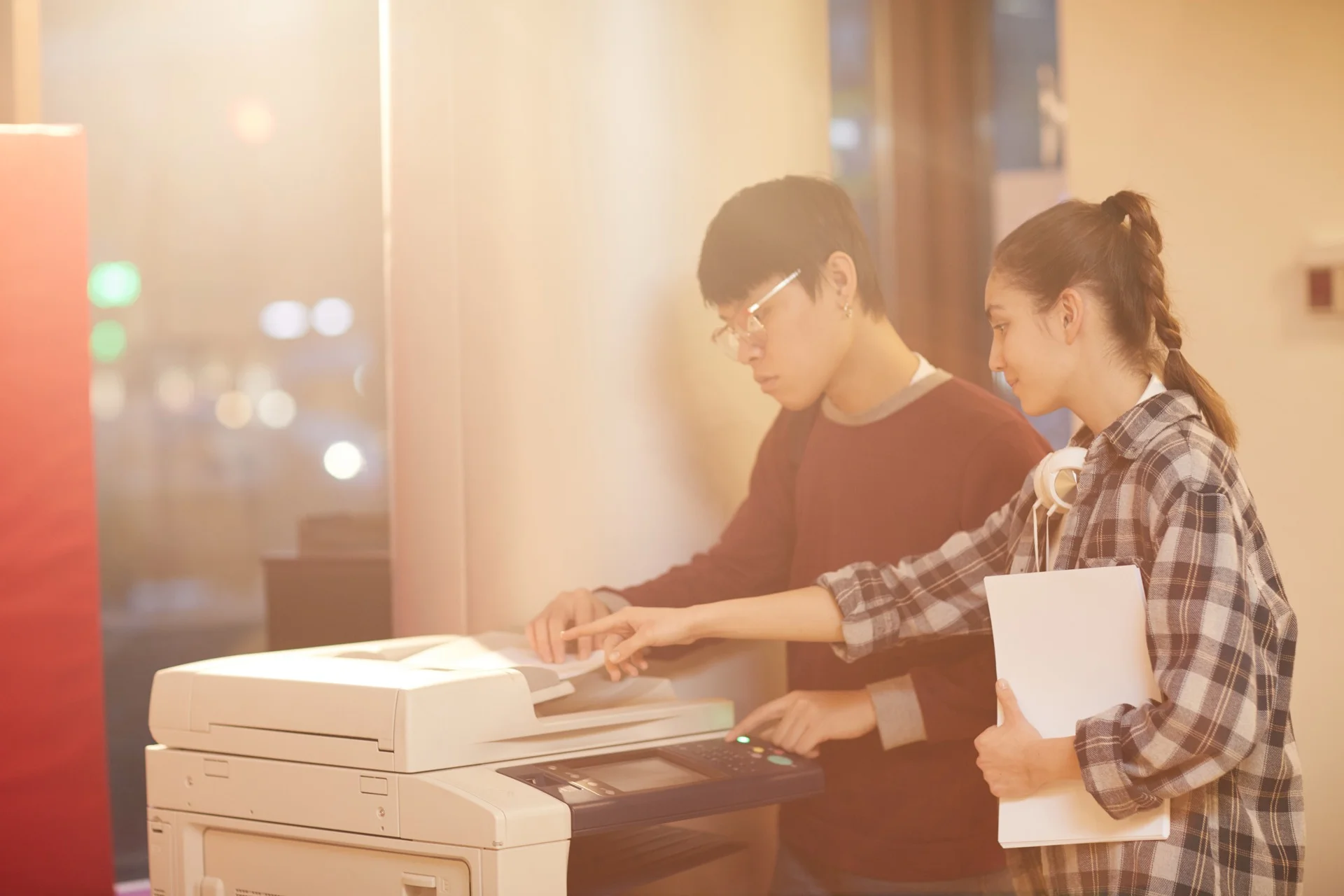
The technological evolution of printers has been marked by significant advances since the invention of the first inkjet printer in the 1980s. Originally, printers were mainly output devices that produced documents on paper, often with limited print quality and relatively slow speed. However, with the advent of digital technology, printers have undergone a radical transformation.
Laser printers, for example, revolutionised the sector by offering superior print quality and much faster processing speeds. These devices have become essential in modern offices, enabling businesses to produce professional documents in record time. Over the years, printers have also evolved to integrate advanced features such as scanning, photocopying, and faxing.
These multifunctions have allowed businesses to streamline their operations and reduce the need for separate equipment. Moreover, the emergence of 3D printing has opened new perspectives, allowing businesses to create physical prototypes and custom parts. This technological evolution has not only improved operational efficiency but has also expanded the scope of application of printers in various sectors, ranging from manufacturing to education.
Summary
-
Technological evolution of printers: Printers have undergone major technological evolution, moving from simple printers to connected and intelligent printers.
-
Impact of printers on business digital transformation: Printers play a crucial role in business digital transformation by facilitating document management and sharing.
-
Benefits of printers in the digital transformation process: Printers offer advantages such as cost reduction, operational efficiency, and increased productivity in the digital transformation process.
-
New features of connected printers: Connected printers offer advanced features such as mobile printing, enhanced security, and integration with document management solutions.
-
Integration of printers in document management solutions: Printers are increasingly integrated into document management solutions to facilitate scanning, storage, and document search.
The Impact of Printers on Business Digital Transformation
Printers play a crucial role in business digital transformation, facilitating the transition to more automated and integrated processes. In a world where dematerialisation has become a priority, modern printers enable businesses to efficiently manage their documents whilst reducing their paper footprint. For example, thanks to cloud solution integration, employees can print documents directly from their mobile devices or laptops, which simplifies workflow and improves productivity.
Moreover, connected printers enable better collaboration between teams. By centralising digital documents and facilitating their printing from any connected device, businesses can reduce information silos and foster a more collaborative work environment. This is particularly relevant in the context of remote working, where employees need easy access to the resources necessary to accomplish their tasks.
Thus, the impact of printers on digital transformation is not limited to simple printing; they become a key element of an overall digital strategy.
The Benefits of Printers in the Digital Transformation Process
The benefits of printers in the digital transformation process are multiple and varied. First, they contribute to operational efficiency by reducing the time needed to produce documents. Modern printers are equipped with advanced technologies that enable fast, high-quality printing, which is essential to meet the growing demands of customers and the market.
For example, a business using a high-end laser printer can produce financial reports or presentations in minutes, saving precious time. Next, printers play a key role in reducing printing-related costs. Thanks to features such as automatic duplex printing and intelligent consumable management, businesses can minimise their paper and ink consumption.
This not only translates into financial savings but also a positive environmental impact. By adopting a more sustainable approach through the use of efficient printers, businesses can strengthen their brand image whilst contributing to the preservation of natural resources.
New Features of Connected Printers
The new features of connected printers have transformed how businesses manage their printing needs. One of the major innovations is wireless technology integration, which allows users to print directly from their smartphones or tablets without needing a physical connection. This feature is particularly appreciated in modern work environments where mobility is essential.
For example, an employee on the move can easily print an important document before a meeting without having to return to their desk. Moreover, connected printers often offer remote management options. Thanks to intuitive web interfaces, IT managers can monitor printer status, manage consumable levels, and even perform software updates without needing to be physically present.
This not only helps optimise equipment maintenance but also ensures continuous availability for users. These advanced features make connected printers a valuable asset for any business seeking to improve its operational efficiency.
Integration of Printers in Document Management Solutions
The integration of printers in document management solutions has become a necessity for businesses seeking to optimise their workflows. Document management systems enable organisations to store, organise, and easily retrieve their digital documents. By integrating printers into these systems, it becomes possible to automate the printing process whilst ensuring that only relevant documents are produced.
For example, a business can configure its system to automatically print invoices only when they are approved by the accounting department. This integration also promotes regulatory compliance by ensuring that all documents are correctly archived and accessible in case of audit. Modern solutions often allow complete document traceability, which is essential for meeting legal requirements in certain sectors.
By combining printing with effective document management, businesses can not only improve their productivity but also reduce the risk of human errors related to manual document management.
Printer Security in a Digital Environment
Printer security has become a major concern in a digital environment where cyber threats are omnipresent. Modern printers are often connected to the Internet or internal networks, making them vulnerable to computer attacks. Therefore, it is essential for businesses to implement robust security measures to protect their printing equipment and the data they process.
This includes the use of security protocols such as data encryption and user authentication to ensure that only authorised persons can access printing functions. Moreover, it is crucial to regularly perform software updates to correct potential vulnerabilities. Printer manufacturers often publish patches to improve the security of their devices, and it is the responsibility of businesses to ensure these updates are applied in a timely manner.
By integrating these practices into their overall security strategy, businesses can considerably reduce the risk of security-related incidents and protect their sensitive information against external threats.
The Importance of Mobile Printing in Digital Transformation
Mobile printing has become a key element in the digital transformation of businesses. With the increase in remote working and the need for employees to be flexible in their working methods, the ability to print from anywhere has become essential. Mobile printing solutions allow users to send documents for printing directly from their mobile devices via dedicated applications or by email.
This not only facilitates fieldwork but also improves responsiveness to urgent requests. Moreover, mobile printing contributes to reducing time wasted when travelling between different workplaces or during off-site meetings. For example, a salesperson visiting a customer can immediately print a proposal or contract without having to return to the office or use a fixed computer.
This flexibility not only improves individual efficiency but also strengthens customer satisfaction by enabling rapid response to expressed needs.
Future Trends for Printers in Digital Transformation
Future trends for printers in the context of digital transformation appear promising and innovative. One of the major directions is the rise of artificial intelligence (AI) integrated into printing systems. This technology could allow printers to learn and anticipate printing needs based on user behaviour and activity volume within the business.
For example, a printer could automatically adjust its settings to optimise quality or speed based on the type of document frequently printed. In parallel, there is a trend towards more sustainable and environmentally friendly printing. Manufacturers are already developing technologies aimed at reducing energy consumption and using fewer resources during the printing process.
More and more businesses are also adopting practices such as using recycled paper or implementing recycling programmes for their ink cartridges. These initiatives not only respond to growing environmental concerns but also strengthen the ethical and responsible image of businesses in the modern market.
In summary, as we move towards an ever more integrated digital future, it is clear that the role of printers will continue to evolve to meet the changing needs of businesses and their overall digital strategies.
Need a Professional Photocopier?
Get free personalised quotes from qualified suppliers in Belgium. Response within 24 hours, no obligation.