Why Do Copiers Smell That Particular Odour?
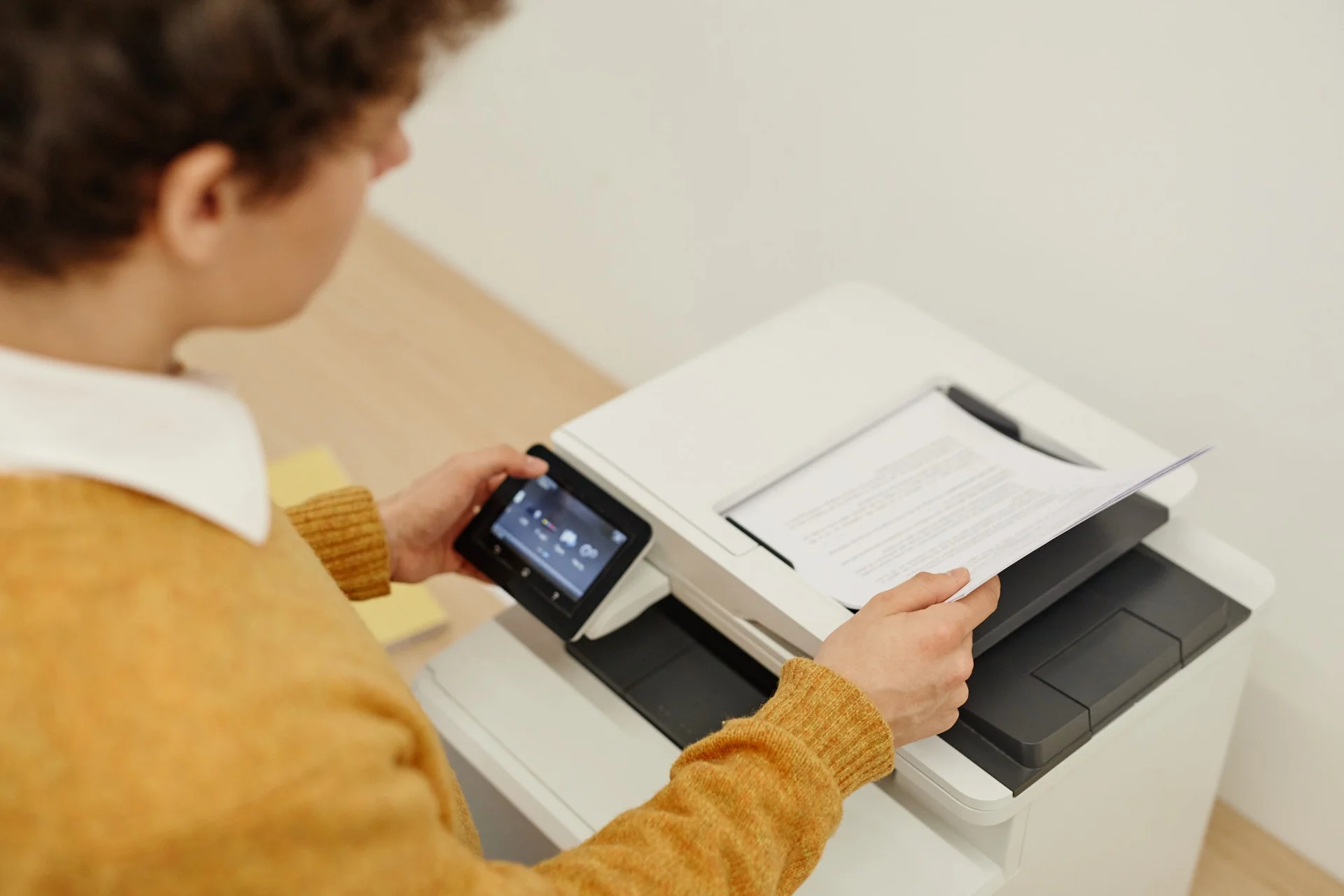
The smell of copiers is an often overlooked phenomenon, but one that deserves particular attention. For many, this smell is synonymous with offices, printed documents, and hard work. However, behind this familiar fragrance lies a chemical complexity that can have implications for the health and well-being of users.
In this article, we will explore the different facets of this smell, examining its composition, origin, and potential effects on health. By better understanding this phenomenon, we will be better able to understand our work environment and take measures to make it healthier. Copiers, omnipresent in our offices and workspaces, are often associated with a characteristic odour that can be both pleasant and unpleasant.
This odour is the result of several factors, including the materials used in the manufacture of toners and inks, as well as the printing processes themselves. By examining these elements, we will better understand why this odour persists and how it can be mitigated.
Summary
-
The smell of copiers is often due to the composition of toners and inks used.
-
The toner fusion and fixing process on paper can also contribute to odour release.
-
Chemical reactions during printing can generate odours potentially harmful to health.
-
Copier users can be impacted by these odours, which raises health concerns.
-
Measures can be taken to reduce copier odours, and technologies are evolving to limit these olfactory nuisances.
Composition of Toners and Inks Used in Copiers
The toners and inks used in copiers are composed of various chemical ingredients that contribute to their performance and effectiveness. Toners, for example, are generally made up of plastic particles, pigments, and additives that improve their fluidity and adhesion to paper. These components are essential to guarantee high-quality printing, but they can also be responsible for the odours we perceive when using copiers.
Inks, in turn, can contain organic solvents, dyes, and other chemical substances that can emit volatile organic compounds (VOCs) during their application. These VOCs are often the source of the unpleasant odours associated with copiers. It is therefore crucial to consider the chemical composition of these products to better understand the origin of odours and consider solutions to reduce them.
Toner Fusion and Fixing Process on Paper
The printing process in a copier involves several complex steps, including toner fusion and fixing on paper. When a document is printed, the toner is first deposited on the paper using an electrostatic drum. Then, it is subjected to intense heat to melt it and permanently fix it on the paper surface.
This fusion process is essential to ensure that the print is durable and water-resistant. However, this fusion step also generates significant heat that can cause the release of certain volatile substances present in the toner. These substances can contribute to the odour we perceive during printing.
Moreover, the quality of paper used can also influence this process: some types of paper may react differently to heat, which can accentuate or mitigate the odours released.
Chemical Reaction and Odour Release During Printing
During printing, several chemical reactions occur simultaneously, leading to the release of various odours. Toner particles mix with the heat generated by the fusion process, which can cause the decomposition of certain chemical components. This decomposition can release odorous gases that diffuse into the ambient air.
The odours perceived can vary depending on the materials used in the toner and the type of printer. For example, some resin-based synthetic toners can release a stronger odour than those made from natural ingredients. Moreover, solvent-based inks can also contribute to this odour by releasing VOCs during their application.
Understanding these chemical reactions is essential for developing solutions aimed at reducing the unpleasant odours associated with copiers.
Impact on User Health
Prolonged exposure to odours released by copiers can have consequences on user health. The VOCs emitted by toners and inks can cause various symptoms such as headaches, eye and respiratory irritation, as well as general fatigue. These effects can be particularly concerning in work environments where several copiers are used simultaneously.
Moreover, some people may be more sensitive to the chemicals present in toners and inks, which can lead to allergic reactions or other health problems. It is therefore crucial for employers and users to be aware of these risks and adopt preventive measures to minimise exposure to harmful odours.
Measures to Reduce Copier Odours
To mitigate unpleasant odours emitted by copiers, several measures can be implemented. First, it is recommended to ensure good ventilation in spaces where these devices are located. Adequate air circulation dilutes odour and VOC concentrations in the ambient air.
Next, it is possible to opt for low-VOC emission toners and inks. Many manufacturers now offer more environmentally friendly products that emit fewer odours during use. By choosing these alternatives, users can significantly reduce the olfactory impact of copiers on their work environment.
Evolution of Technologies to Limit Odours
Over the years, technologies related to copiers have evolved to address growing concerns about health and the environment. Manufacturers are now investing in research and development of innovative solutions aimed at reducing odour and VOC emissions. For example, some recent models incorporate advanced filtration systems that capture harmful particles before they reach the ambient air.
Moreover, the increasing use of water-based inks or other ecological alternatives is also helping to reduce unpleasant odours associated with copiers. These technological advances not only improve air quality in offices but also meet growing environmental requirements imposed by legislation.
Conclusion and Perspectives for the Future
In conclusion, the smell of copiers is a complex subject that deserves particular attention due to its implications for the health and well-being of users. By better understanding the chemical composition of toners and inks, as well as the printing processes involved, we can take measures to mitigate these unpleasant odours. Technological evolution continues to offer promising solutions to reduce odour emissions and improve air quality in our work environments.
As users, it is essential to be aware of the potential risks associated with copiers and adopt responsible practices to guarantee a healthy workspace. By taking care of our health while effectively managing our real estate, we can create a healthier and more sustainable future for everyone.
If you’re wondering why copiers emit that particular odour, you might be interested in the article The Best Methods to Minimise Copier-Related Expenses. This article explores effective ways to reduce costs related to copier use in your business. By adopting economical practices, you could optimise your budget while maintaining print quality.
Need a professional copier?
Get free personalised quotes from qualified suppliers in Belgium. Response within 24 hours, no obligation.