The Circular Economy Applied to Copiers
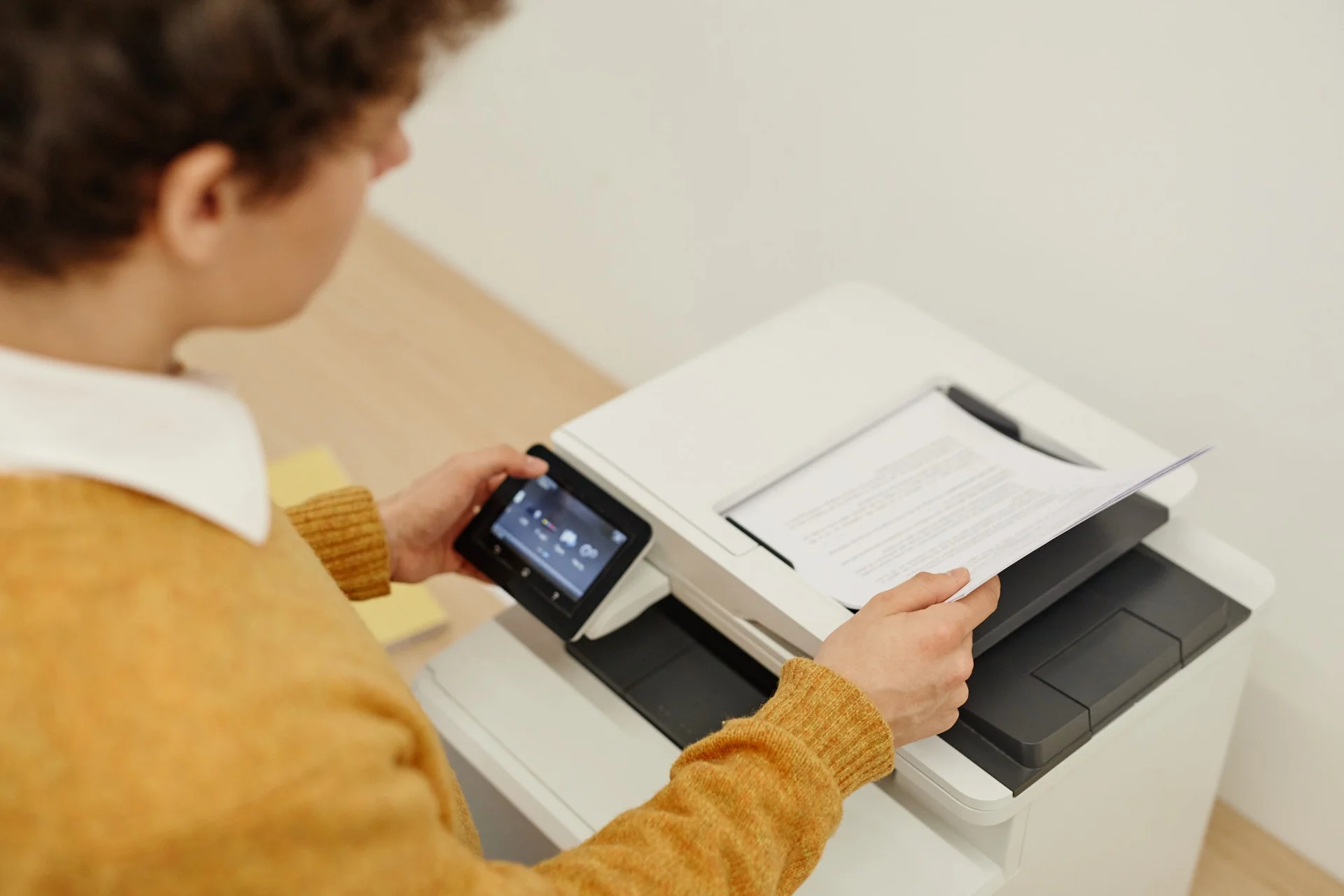
The circular economy is transforming how we think about copiers and printers. Rather than the traditional “take-make-dispose” model, circular approaches extend equipment life, recover materials, and reduce environmental impact.
What is circular economy?
The concept
The circular economy aims to:
- Eliminate waste through better design
- Keep products in use as long as possible
- Regenerate natural systems by returning materials safely
Linear vs circular
| Linear model | Circular model |
|---|---|
| Extract raw materials | Design for longevity |
| Manufacture | Use and maintain |
| Use | Repair and refurbish |
| Dispose | Remanufacture |
| → Waste | → New cycle begins |
Circular approaches for copiers
Extended product life
Design for durability:
- Modular construction
- Upgradeable components
- Long-lasting parts
- Standardised consumables
Maintenance focus:
- Preventive maintenance
- Quality repairs
- Genuine parts
- Regular servicing
Refurbishment and remanufacturing
Refurbished equipment:
- Professionally restored
- Worn parts replaced
- Thoroughly tested
- Lower cost than new
Remanufactured components:
- Original parts rebuilt
- Factory specifications
- Quality guarantee
- Significant material savings
Consumable recovery
Toner cartridge recycling:
- Manufacturer take-back
- Third-party recycling
- Refilling programmes
- Material recovery
Drum and component recycling:
- Precious metal recovery
- Plastic recycling
- Responsible disposal
Benefits for businesses
Cost savings
| Circular option | Typical savings |
|---|---|
| Refurbished equipment | 30-50% vs new |
| Remanufactured parts | 20-40% vs new |
| Extended machine life | Deferred replacement |
| Efficient maintenance | Fewer breakdowns |
Environmental benefits
CO2 reduction:
- New copier: ~1,000 kg CO2 in manufacturing
- Refurbished: ~80% reduction
- Extended life: Proportional savings
Resource conservation:
- Metals (steel, aluminium, copper)
- Plastics
- Rare earth elements
- Energy
Brand and reputation
- Demonstrate sustainability commitment
- Meet client expectations
- Support ESG reporting
- Attract environmentally-conscious employees
Implementing circular practices
Choose circular suppliers
Questions to ask:
- Do you offer refurbished equipment?
- What’s your end-of-life process?
- How do you handle used consumables?
- What’s your remanufacturing programme?
- Can you report on circular metrics?
Leasing as a circular model
Leasing naturally supports circularity:
- Equipment returned at end of term
- Supplier manages lifecycle
- Refurbishment for next use
- Proper disposal when required
Consumable programmes
Participate in take-back:
- Return used cartridges
- Use manufacturer programmes
- Track recycling rates
- Consider refilled options
Maintenance investment
Well-maintained equipment:
- Lasts longer (avoiding replacement)
- Uses resources efficiently
- Retains value for refurbishment
- Reduces waste
Circular options for equipment
Buying refurbished
Advantages:
- Significant cost savings
- Environmental benefit
- Often includes warranty
- Proven reliability
Considerations:
- Check warranty terms
- Verify refurbishment quality
- Understand part availability
- Review supplier reputation
Leasing with circular terms
Look for:
- Take-back at end of term
- Refurbishment commitment
- Responsible disposal guarantee
- Circular reporting
Trade-in programmes
When upgrading:
- Trade existing equipment
- Offset new costs
- Ensure proper recycling
- Document for sustainability reporting
Measuring circular impact
Key metrics
| Metric | How to measure |
|---|---|
| Equipment lifespan | Years in service |
| Consumable return rate | % cartridges returned |
| Refurbished content | % of fleet refurbished |
| Material recovery | kg materials recycled |
| CO2 avoided | Calculated vs new |
Reporting
Include in:
- Sustainability reports
- CSR documentation
- ESG disclosures
- Supplier assessments
Brand initiatives
Canon
- Cartridge return programme
- Remanufactured imageRUNNER devices
- Zero-to-landfill initiatives
- Life cycle assessments
Ricoh
- Strong sustainability focus
- Remanufactured equipment
- Closed-loop recycling
- Resource-recovery systems
Konica Minolta
- Clean Planet programme
- Toner cartridge recycling
- Remanufactured products
- Carbon-neutral targets
HP
- Planet Partners programme
- HP Renew products
- Closed-loop plastics
- Recycled content in products
Challenges and solutions
Challenge: Quality perception
Concern: “Refurbished isn’t as good as new”
Reality:
- Professional refurbishment to factory standards
- Comprehensive testing
- Warranty provided
- Performance equivalent to new
Challenge: Part availability
Concern: “Can I get parts for older equipment?”
Solutions:
- Manufacturer extended support
- Remanufactured parts
- Third-party suppliers
- Design for modularity
Challenge: Total cost uncertainty
Concern: “Will circular really save money?”
Approach:
- Calculate total cost of ownership
- Include disposal costs in comparisons
- Factor in reputational value
- Consider risk reduction
The future of circular copiers
Trends to watch
Design evolution:
- Modular, upgradeable designs
- Standardised components
- Easy disassembly
- Recycled content
Service models:
- Product-as-a-service
- Pay-per-use
- Performance guarantees
- Circular by default
Technology enablers:
- IoT for maintenance prediction
- AI for lifecycle optimisation
- Blockchain for material tracking
- Digital product passports
Action checklist
For your next equipment decision
- Ask about refurbished options
- Evaluate leasing with circular terms
- Include circular metrics in evaluation
- Consider total lifecycle cost
- Check supplier sustainability credentials
For existing equipment
- Maximise equipment life through maintenance
- Return all used consumables
- Track and report circular metrics
- Plan end-of-life responsibly
Summary
The circular economy offers real benefits for copier management:
- Cost savings through refurbishment and extended life
- Environmental impact reduction
- Reputational benefits for sustainability
- Future-proofing as regulations evolve
The shift is already happening—positioning your business to benefit makes both environmental and economic sense.
Want sustainable copier solutions?
Get free personalised quotes from qualified suppliers in Belgium. Response within 24h, no obligation.