How to Calculate the True ROI of a Photocopier
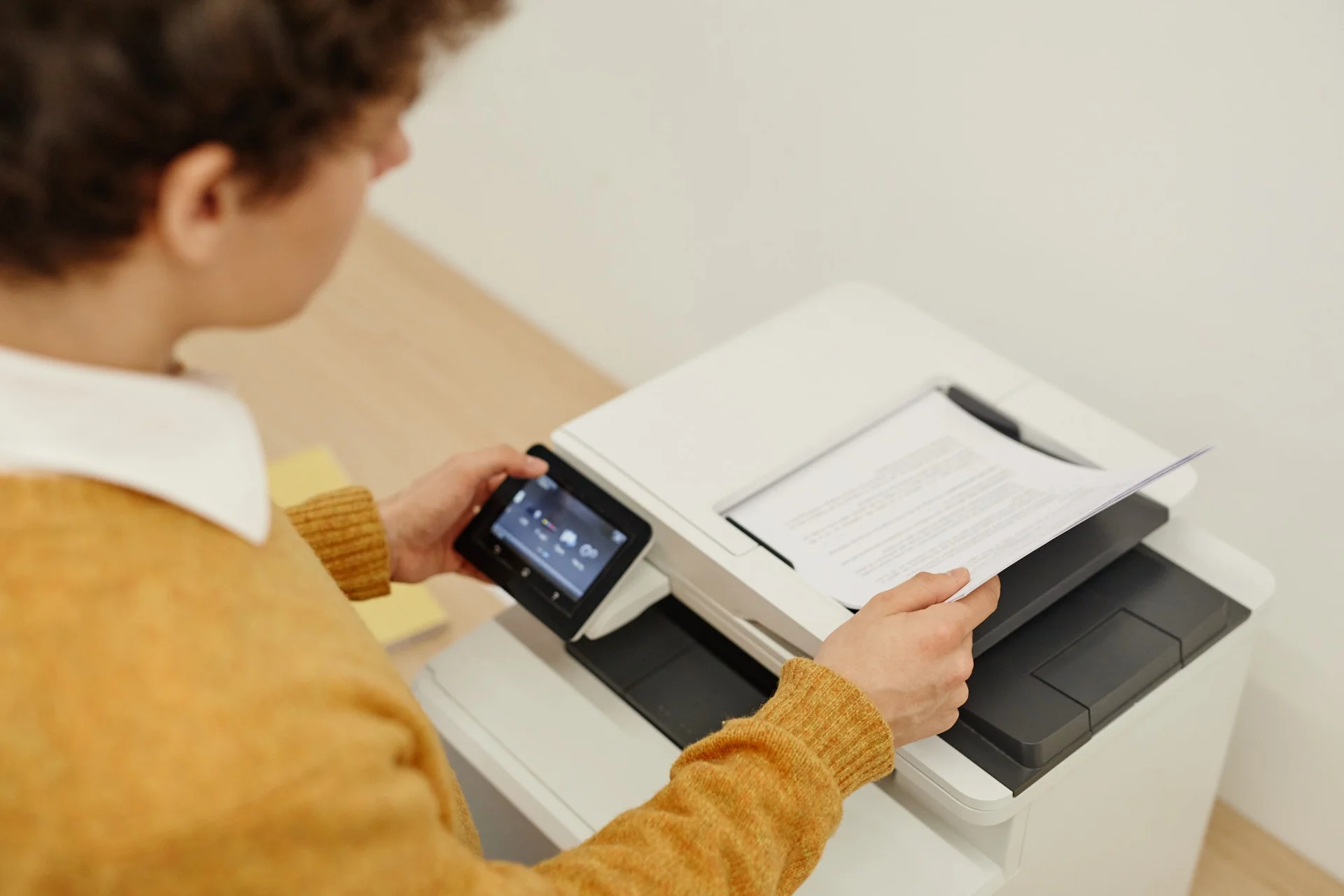
In the business world, every investment must be carefully evaluated to guarantee its profitability. One piece of equipment often overlooked, yet essential in many businesses, is the photocopier. Although it may seem like a simple device, the photocopier plays a crucial role in document management and internal communication.
For businesses, understanding the return on investment (ROI) of a photocopier is fundamental for making informed decisions. This calculation allows not only evaluating the profitability of the purchase but also optimising the daily use of this equipment. A photocopier’s ROI is not limited to its initial purchase price.
It also encompasses operating costs, savings achieved and the impact on productivity. By analysing these different aspects, businesses can better understand the added value that a high-performing photocopier represents. In this article, we’ll explore the various elements that influence the ROI calculation of a photocopier, to help businesses maximise their investment.
Summary
-
Introduction to photocopier ROI calculation:
-
Calculating the return on investment (ROI) of a photocopier is essential for evaluating its financial impact.
-
Initial costs and recurring photocopier costs:
-
Initial costs include the photocopier purchase, while recurring costs include maintenance, consumables and energy.
-
Calculating return on investment (ROI) based on photocopier use:
-
ROI varies depending on the frequency of photocopier use and reduction in operational costs.
-
Impact on productivity and operational efficiency:
-
An efficient photocopier can improve productivity by reducing waiting times and facilitating administrative tasks.
-
Analysis of savings achieved through the photocopier:
-
The photocopier can enable significant savings by reducing costs related to printing and document management.
Initial Costs and Recurring Photocopier Costs
When a business considers acquiring a photocopier, it’s essential to take into account the initial costs associated with this purchase. These costs include the device’s purchase price, but also installation and configuration fees. Depending on the model and features chosen, the cost can vary considerably.
For example, a high-end multifunction photocopier with advanced capabilities will cost more than a basic model. It’s therefore crucial to clearly define your needs before making a choice. In addition to initial costs, there are also recurring costs linked to photocopier use.
These costs include purchasing consumables such as ink, paper and spare parts, as well as maintenance fees. Businesses must also consider energy costs associated with device use. In sum, a complete evaluation of initial and recurring costs is essential to establish a solid foundation for ROI calculation.
Calculating Return on Investment (ROI) Based on Photocopier Use
Calculating a photocopier’s ROI relies on a simple formula: ROI = (Gains - Costs) / Costs. To determine the gains generated by photocopier use, it’s important to evaluate how much money the business saves thanks to more efficient printing or a reduction in document management errors. For example, if a photocopier allows reducing time spent printing or copying documents, this translates into labour cost savings.
It’s also relevant to consider the impact of photocopier use on customer satisfaction and service quality. A reliable and high-performing photocopier can improve the speed with which documents are produced, which can strengthen the company’s reputation with its clients. By integrating these elements into the ROI calculation, businesses can obtain a more complete vision of the value their photocopier brings.
Impact on Productivity and Operational Efficiency
One of the main advantages of a modern photocopier is its positive impact on employee productivity. An efficient device allows teams to focus on higher value-added tasks rather than repetitive administrative tasks. For example, a photocopier offering features such as direct scanning to cloud or mobile printing can considerably reduce the time needed to manage documents.
Additionally, a photocopier that operates without interruption contributes to maintaining a smooth workflow within the company. Frequent breakdowns or downtime can cause delays and affect overall productivity. By investing in a reliable and high-performing model, businesses can ensure their operations are not disrupted, resulting in increased operational efficiency.
Analysis of Savings Achieved Through the Photocopier
Analysis of savings achieved through a photocopier is not limited to direct costs related to printing and copying. It also includes indirect savings, such as reducing paper and ink waste. A modern photocopier is often equipped with features that optimise resource use, like double-sided printing or the ability to preview documents before printing.
Furthermore, by centralising printing needs within a single device, businesses can reduce the number of printers needed, which decreases maintenance and consumable supply costs. This approach not only achieves financial savings but also contributes to an eco-responsible approach by reducing the company’s ecological footprint.
Considerations on Photocopier Lifespan
A photocopier’s lifespan is a key factor to consider when calculating ROI. Generally, a good photocopier can have a lifespan of 5 to 10 years, depending on its use and maintenance. It’s therefore important to evaluate not only the initial cost but also the device’s expected longevity to determine if the investment is worthwhile.
Regular and appropriate maintenance can extend a photocopier’s lifespan and ensure it operates at its best level throughout its useful life. Businesses should therefore establish a preventive maintenance plan to avoid costly breakdowns and maximise their return on investment.
Factors to Consider for Accurate ROI Calculation
To obtain an accurate ROI calculation for a photocopier, several factors must be considered. First, it’s essential to correctly evaluate the total costs associated with the device, including hidden costs such as time lost during breakdowns or costs related to inefficient use. Next, potential gains in terms of productivity and savings achieved should be analysed.
It’s also important to consider each company’s specific context. Printing needs can vary considerably from one organisation to another, which directly influences ROI calculation. Therefore, it may be wise for businesses to consult experts to obtain personalised advice on their particular situation.
Conclusion and Recommendations for Maximising Photocopier ROI
In conclusion, calculating a photocopier’s ROI is a complex process requiring careful evaluation of initial and recurring costs, as well as potential gains in terms of productivity and savings achieved. To maximise this return on investment, it’s recommended that businesses choose a model suited to their specific needs and implement a regular maintenance plan.
Additionally, it can be beneficial for businesses to turn to experts to obtain accurate and personalised estimates regarding their equipment.
To complete your understanding of calculating a photocopier’s true ROI, you might also be interested in the article on How to Control Print Costs in a Business. This article addresses strategies for optimising printing-related costs and ensuring efficient resource management. By combining this information with that on professional photocopier ROI calculation, you’ll be better equipped to make informed decisions for your business.
Need a Professional Photocopier?
Get free personalised quotes from qualified suppliers in Belgium. Response within 24 hours, no obligation.