Printing Reimagined: From Paper Copies to Collaborative Solutions
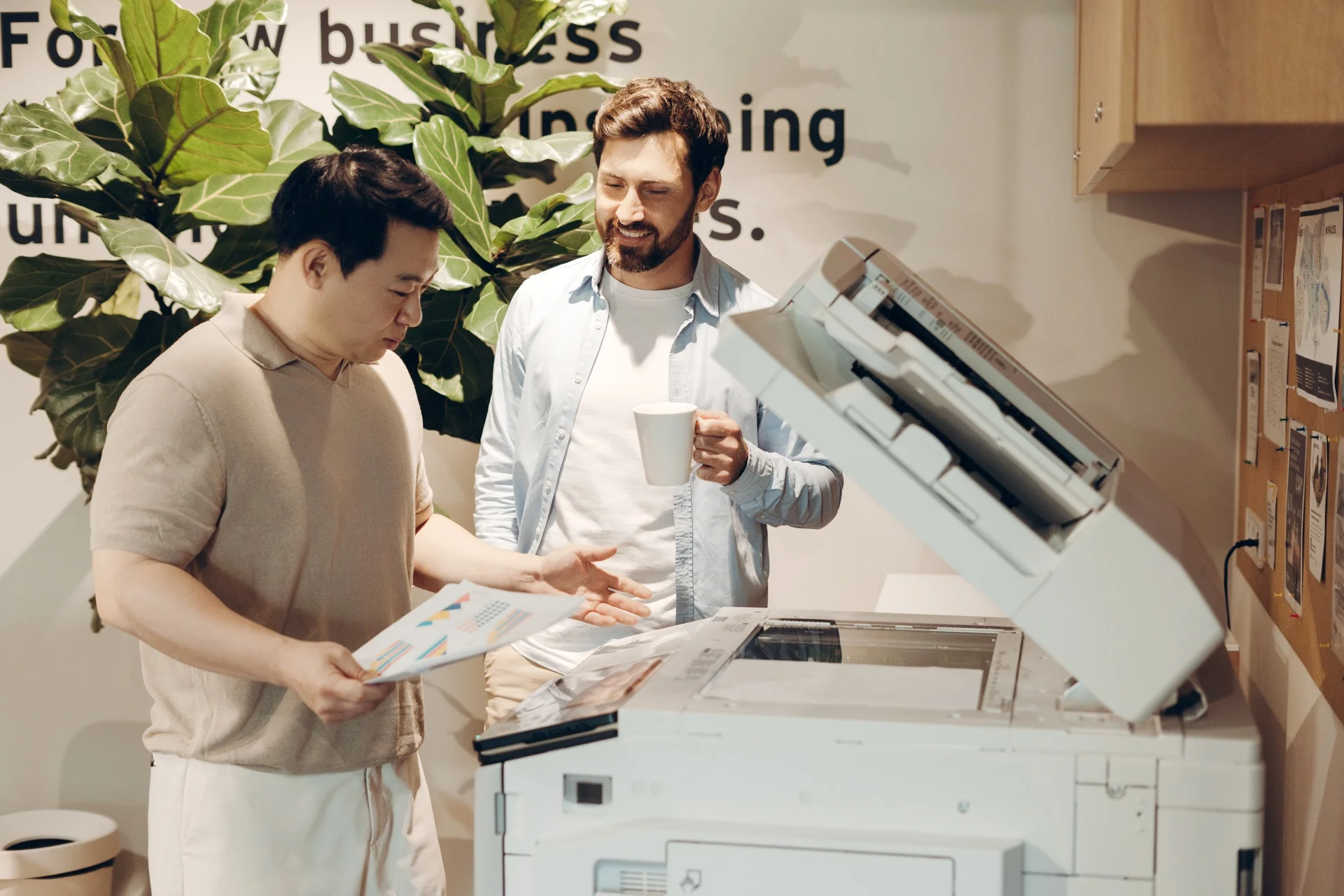
Reimagined printing represents a significant transformation in the way businesses and individuals approach document production. In a world where digitisation and remote collaboration are becoming increasingly common, it is essential to rethink traditional printing methods. This concept is not simply limited to using new technologies, but also encompasses a holistic approach that integrates sustainable practices, collaborative solutions, and better resource management.
By redefining what printing means, organisations can not only improve their operational efficiency but also reduce their ecological footprint. This reinvention of printing is part of a broader context of digital transformation. Companies seek to optimise their processes whilst meeting growing consumer expectations regarding sustainability and innovation.
Reimagined printing is therefore a response to these contemporary challenges, offering solutions that combine practicality and responsibility. By exploring the various aspects of this evolution, we can better understand how new technologies and collaborative practices are shaping the future of printing.
Summary
-
Reimagined printing offers new possibilities for more efficient and creative collaboration.
-
Collaborative solutions enable instant sharing and better document management.
-
The transition from paper copies to digital solutions reduces costs and improves efficiency.
-
Reimagined printing has a positive environmental impact by reducing paper and ink consumption.
-
Technological tools offer innovative solutions for faster and more efficient printing.
The Advantages of Collaborative Solutions
Collaborative solutions bring a multitude of advantages that transcend simple efficiency gains. By allowing teams to work together on documents in real time, these tools foster fluid communication and better coordination. For example, platforms like Google Docs or Microsoft Teams allow multiple users to modify a document simultaneously, which reduces the need for multiple prints and paper versions.
This not only decreases paper waste but also improves productivity by eliminating back-and-forth related to revisions. Moreover, collaborative solutions encourage innovation by bringing together diverse ideas from different team members. When employees can share their thoughts and contributions instantly, this creates an environment conducive to creativity.
For example, as part of a product development project, a team can use collaborative tools to brainstorm concepts, create digital mockups, and gather feedback in real time. This integrated approach not only accelerates the development process but also ensures that all voices are heard, which can lead to richer and more varied results.
The Evolution From Paper Copies to Digital Solutions
The transition from paper copies to digital solutions has been catalysed by several factors, including the need to reduce costs and improve efficiency. Historically, printed document production was often synonymous with heavy expenses on supplies and equipment maintenance. With the advent of digital technologies, it is now possible to create, store, and share documents without resorting to physical printing.
For example, companies can use document management systems to electronically archive their files, which facilitates access and searching whilst reducing physical clutter. This evolution is not limited solely to cost reduction; it also transforms the way information is shared and used. Digital documents can be easily updated and distributed to a wide audience in just a few clicks.
This is particularly relevant in the context of multinational companies where speed of access to information is crucial for decision-making. Furthermore, digital solutions enable better traceability of modifications made to documents, which strengthens transparency and accountability within teams.
The Environmental Impacts of Reimagined Printing
The environmental impact of traditional printing is a subject of growing concern in the current context of climate crisis. Paper production requires a considerable amount of natural resources, including water and energy, not to mention greenhouse gas emissions associated with transport and manufacturing. By reimagining printing, companies can adopt more sustainable practices that minimise their ecological footprint.
For example, by opting for digital solutions and reducing the volume of necessary prints, they contribute to forest preservation and waste reduction. Moreover, adopting greener printing technologies can also play a significant role in reducing environmental impacts. Modern printers use less energy and are designed to work with recyclable or refillable ink cartridges.
Some companies even go so far as to implement recycling programmes for their obsolete printing equipment. By integrating these practices into their operational strategy, organisations can not only improve their brand image as environmentally responsible entities but also achieve substantial long-term savings.
Technological Tools for More Efficient Printing
The rise of technological tools has revolutionised the printing landscape by offering solutions that improve not only efficiency but also the quality of work produced. Advanced software now allows users to design documents with unparalleled precision whilst easily integrating multimedia elements. For example, applications like Adobe InDesign or Canva offer an intuitive interface for creating brochures, posters, or even interactive presentations without requiring extensive technical expertise.
Furthermore, integrating artificial intelligence into printing processes enables these operations to be optimised even further. Intelligent systems can analyse an organisation’s printing habits to recommend adjustments that reduce waste whilst maintaining quality. For example, some companies use software that automatically adjusts print settings based on the type of document or expected volume, thus ensuring optimal use of available resources.
The Challenges of Transitioning to Collaborative Solutions
Despite the many advantages associated with collaborative solutions, their adoption is not without challenges. One of the main obstacles lies in resistance to change within organisations. Many employees are accustomed to working with traditional methods and may be reluctant to adopt new tools or processes.
To overcome this resistance, it is crucial for companies to invest in training and support to ensure a smooth transition towards these new practices. Another major challenge concerns data security. With the increase in digital sharing of sensitive information, companies must ensure their systems are protected against cyber threats.
This involves not only using secure software but also implementing strict protocols regarding access to sensitive documents. Organisations must therefore find a balance between open collaboration and adequate protection of critical information.
New Trends in Printing and Document Sharing
Current trends in printing and document sharing reflect an evolution towards greater interconnectivity and increased personalisation. One emerging trend is the growing use of 3D printing across various industrial sectors. This technology not only allows prototypes to be created quickly but also produces parts on demand, thus reducing the need for physical inventory and minimising waste.
At the same time, document sharing is evolving with the increasing integration of cloud-based solutions. Platforms like Dropbox or OneDrive facilitate secure file storage and sharing whilst allowing instant access from any Internet-connected device. This flexibility is particularly beneficial for teams working remotely or across multiple geographical sites.
Moreover, these tools often offer advanced features such as change tracking and version management, which further improves collaboration between team members.
Conclusion: The Future of Reimagined Printing
The future of reimagined printing looks promising as companies continue to explore innovative solutions to meet contemporary challenges. By integrating sustainable practices with advanced technologies, it is possible not only to improve operational efficiency but also to contribute positively to the environment. The transition towards a more collaborative and digital printing model is already underway, and it should accelerate as organisations recognise the tangible advantages it can offer.
Ultimately, reimagined printing is not simply a passing trend; it represents a fundamental change in our way of interacting with information and documents. As we move towards a future where technology continues to evolve rapidly, it will be essential for companies to adopt these new approaches in order to remain competitive whilst meeting growing expectations regarding sustainability and innovation.
A related article to Printing Reimagined: From Paper Copies to Collaborative Solutions is What is the Minimum Duration for Professional Printer Rental? This article addresses the question of minimum duration for professional printer rental, which may be relevant for companies seeking to implement collaborative and efficient printing solutions.
Need a Professional Photocopier?
Get free personalised quotes from qualified suppliers in Belgium. Response within 24 hours, no obligation.