How to Reduce Stress Related to Copier Problems at Work
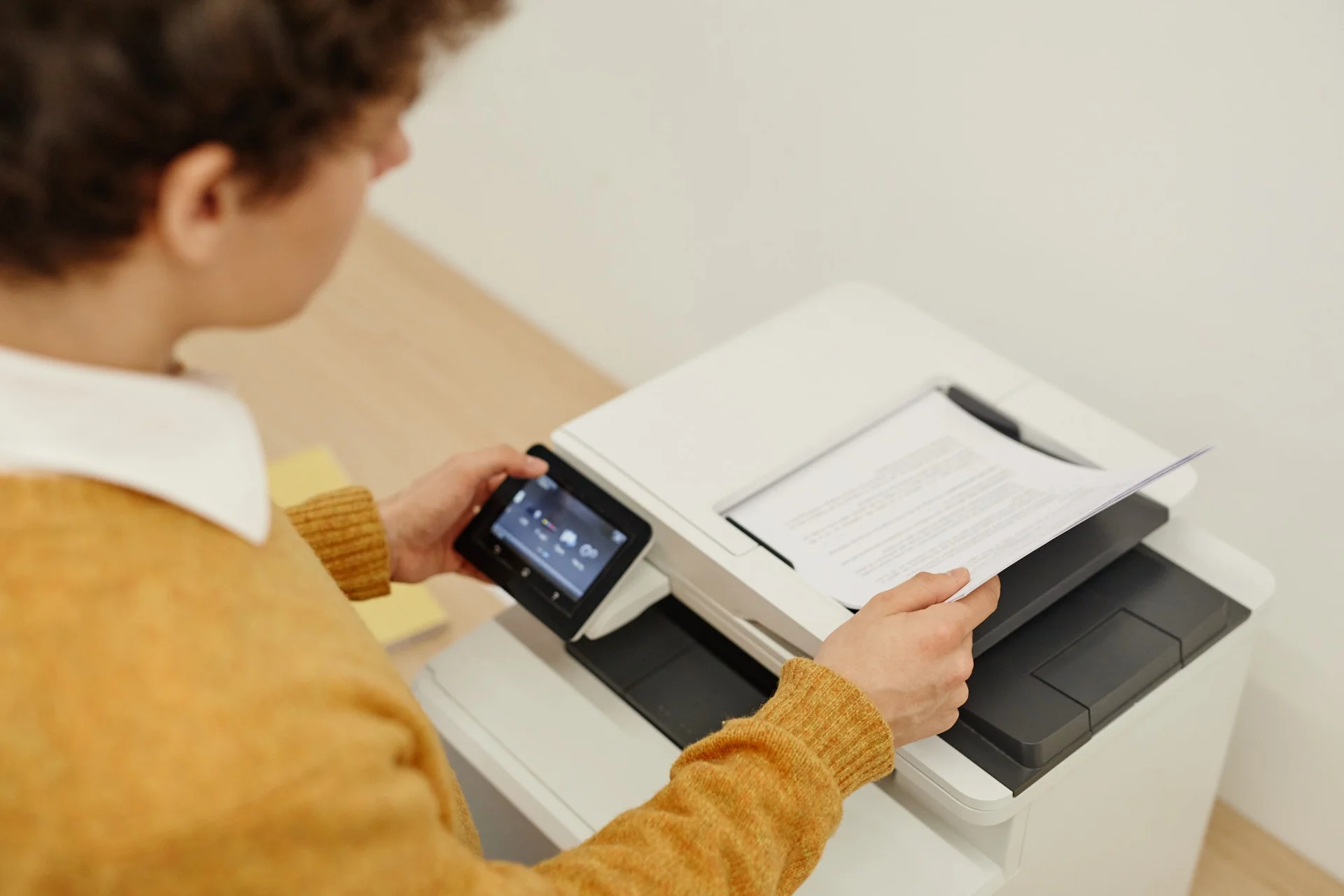
A paper jam at the worst moment, an incomprehensible error message, the queue in front of the only working copier… Printing problems can generate real stress in the workplace. Here’s how to eliminate or reduce this source of daily tension.
Understand the sources of stress
The most stressful problems
- Paper jams - especially during urgent printing
- Empty supplies - toner or paper at the wrong time
- Machine breakdowns - with no alternative
- Waiting queues - at peak times
- Incomprehensible errors - codes without explanation
- Lost prints - jobs that disappear
- Quality defects - at the last minute
The cost of stress
Beyond individual well-being, these problems have a real cost:
- Lost productivity
- Missed deadlines
- Decreased quality of work
- Team tensions
- Increased absenteeism
Preventive solutions
1. Invest in reliable equipment
The main source of stress is equipment that breaks down. A quality professional copier:
- Breaks down 5-10x less than an entry-level machine
- Has a longer lifespan
- Offers better manufacturer support
- Has more available spare parts
Budget guideline: It’s better to rent quality equipment than to buy an unreliable machine.
2. Implement preventive maintenance
A well-maintained machine reduces unexpected breakdowns by 80%:
- Regular scheduled maintenance
- Proactive part replacement
- Periodic cleaning
- Software updates
3. Manage supplies proactively
Avoid empty consumable stress:
- Automatic alerts for low level
- Buffer stock on site
- Automatic ordering based on consumption
- Dedicated restocking manager
4. Provide alternatives
Never be dependent on a single machine:
- Backup machine (even simpler)
- Nearby external service (printing, copy shop)
- USB printing option on another floor
- Send by email when possible
5. Optimise machine placement
Strategic placement reduces stress:
- Multiple machines rather than one central
- Positioned close to heavy users
- Clear signage to find alternatives
- Adequate space to avoid queues
Immediate solutions
Create simple jam-clearing procedures
Jams are the #1 stress source. Make their resolution easy:
- Visual procedure posted on each machine
- Simple diagrams with numbered steps
- Emergency contact clearly indicated
- Staff training on basic resolution
Demystify error codes
Transform cryptic codes into simple instructions:
| Code | Plain meaning | Action |
|---|---|---|
| E-101 | Paper jam | Open drawer A, remove paper |
| C-200 | Empty toner | Replace toner (cabinet B) |
| J-305 | Too many jobs | Wait 2 min or cancel |
Post this table near the machine.
Implement reservation system
For large print jobs:
- Shared calendar for printer booking
- Priority time slots for urgent departments
- Volume quotas to prevent monopolisation
Inform in real-time
Users should know machine status before going there:
- Wall display with available machine status
- Mobile app showing wait times
- Email notification when machine available
Stress management strategies
Train users
Competent users are less stressed:
- Initial training for all staff
- Refresher courses when problems increase
- Quick guides always available
- Super-user network per department
Communicate positively
How problems are communicated affects stress:
Instead of: “BROKEN - DO NOT USE”
Write: “Being repaired - back in service at 2pm. Alternative: 2nd floor printer.”
Create recovery rituals
When a problem occurs:
- Breathe - the world won’t end
- Check the simple causes (paper, toner)
- Follow the posted procedure
- Call if not resolved in 5 min
- Use the alternative
Manage expectations
When you know a machine will be unavailable:
- Communicate in advance (email, display)
- Give alternative solutions
- Estimate duration
- Update if it takes longer
Organisational solutions
Appoint a coordinator
A printing coordinator:
- Monitors machine status
- Anticipates supply needs
- Coordinates maintenance
- Communicates with users
- Collects feedback
Establish a maintenance contract
A quality maintenance contract guarantees:
- Rapid response (4-8h guarantee)
- Competent technician
- Original spare parts
- Preventive maintenance included
Measure and improve
Track indicators:
- Breakdown frequency
- Resolution time
- User satisfaction
- Supply shortages
Use this data to continuously improve.
Specific tips by scenario
”I’m printing something urgent and it jams”
Prevention:
- Preview before urgent prints
- Test print on a page
- Know the backup machine location
During crisis:
- Breathe
- Follow procedure (max 3 min)
- If not resolved → backup machine
- Collect document and report jam
”There’s a queue and I’m in a hurry”
Prevention:
- Anticipate printing needs
- Print at off-peak times (early morning, lunchtime)
- Use direct print (without going through queue)
During crisis:
- Assess wait time
- Go to alternative if > 5 min
- Use email option if possible
”The machine displays an error I don’t understand”
Prevention:
- Know where to find error code list
- Know who to call
During crisis:
- Note exact code
- Check posted table
- Call tech support
- Go to alternative
”My print job has disappeared”
Prevention:
- Use secure printing (held until authentication)
- Check queue before sending another
During crisis:
- Check correct printer selected
- Look in print queue
- Resend with secure printing
- Don’t print 10 copies hoping it works
Checklist for a stress-free environment
Equipment
- Reliable, recent machines
- At least one backup machine
- Regular preventive maintenance
- Quality maintenance contract
Supplies
- Automatic low level alerts
- Buffer stock on site
- Clear restocking process
- Designated manager
Communication
- Clear jam-clearing procedures
- Posted error code table
- Emergency contacts visible
- Real-time status info
Training
- Initial training provided
- Updated quick guides
- Super-user network
- Regular refreshers
Organisation
- Printing coordinator designated
- Indicators tracked
- Feedback collected
- Continuous improvement
In summary
Reducing print stress is based on:
- Prevention - reliable, well-maintained equipment
- Anticipation - managed supplies, planned alternatives
- Simplicity - clear procedures, easy access to help
- Communication - real-time information, positive messages
- Training - autonomous, confident users
The ROI is measurable: less stress = more productivity, better atmosphere, fewer errors.
Need a reliable, low-stress copier?
Get free personalised quotes from qualified suppliers in Belgium. Response within 24h, no obligation.