Copiers and Industrial Espionage: How to Protect Yourself
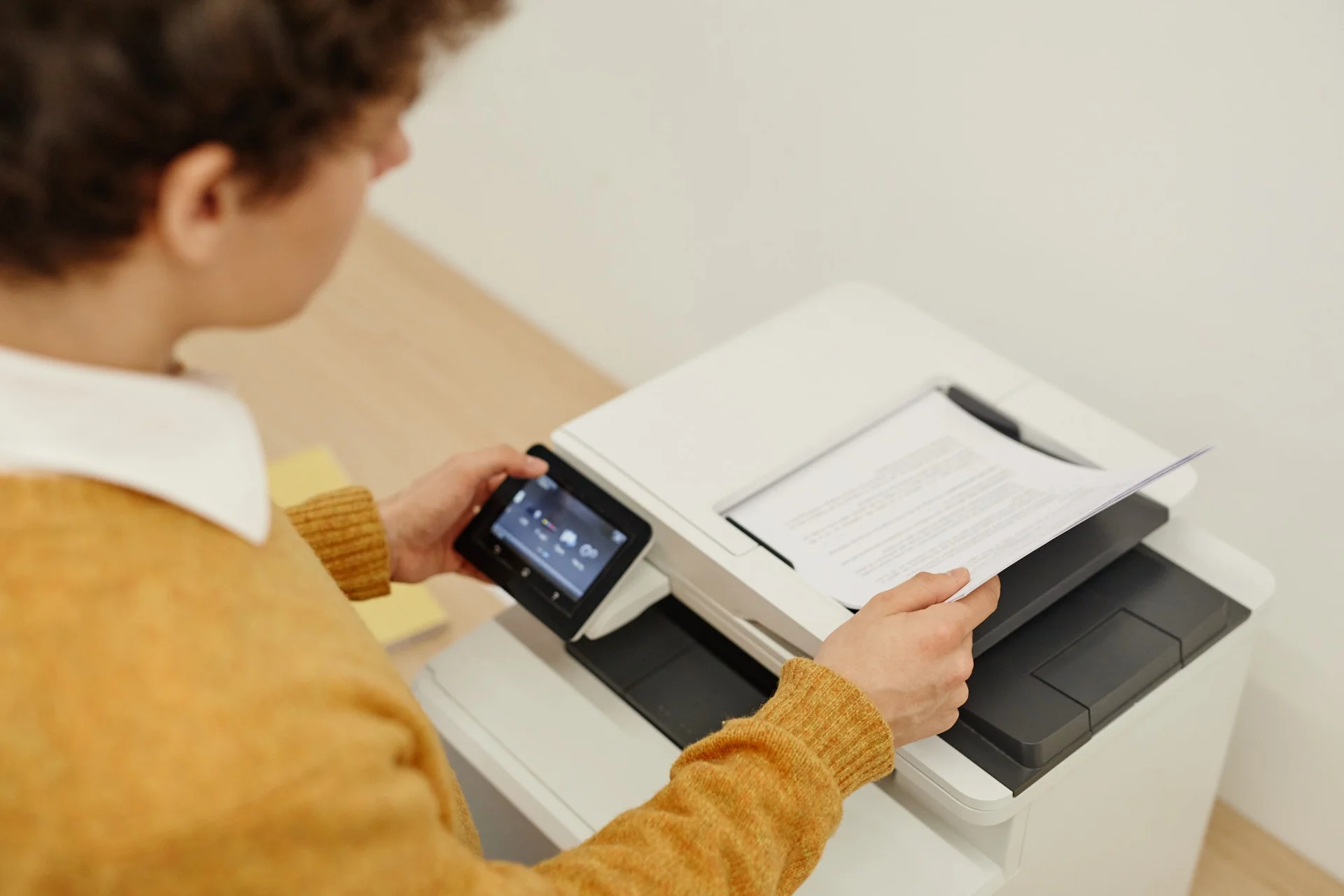
In the modern world, copiers have become essential tools in offices and businesses. They facilitate document reproduction, scanning and file transmission, making work more efficient. However, these devices, often perceived as simple office machines, can also represent a major security risk for information.
Indeed, industrial espionage is a growing threat to businesses, and copiers can be vectors for accessing sensitive data. It is therefore crucial to understand how these devices can be exploited for malicious purposes and what measures can be implemented to protect information. Industrial espionage involves illegally obtaining confidential information about a company, whether for competitive reasons or to damage its reputation.
Copiers, as connected devices, can store sensitive data such as financial documents, product plans, or customer information. Therefore, it is essential for businesses to be aware of the risks associated with using these machines and to adopt secure practices to minimise potential threats.
Summary
-
Copiers can be used for industrial espionage purposes
-
Risks related to industrial espionage include the leak of sensitive information
-
Security measures must be implemented to protect sensitive information
-
Access management to copiers is essential to limit espionage risks
-
It is important to secure printed and copied documents to prevent unauthorised access
Risks of Industrial Espionage Related to Copiers
Modern copiers are often equipped with hard drives that temporarily store copied or scanned documents. This means that once a document has been processed, it can remain on the hard drive even after being deleted from the device’s memory. A malicious individual with access to this hard drive can retrieve this sensitive information without difficulty.
Additionally, some copiers are connected to the Internet or a corporate network, which further increases the risk of unauthorised access. Another concerning aspect is the possibility of cyber attacks targeting these devices. Connected copiers can be vulnerable to cyber attacks, allowing hackers to access sensitive data or even take control of the device.
Businesses must therefore be aware that industrial espionage is not limited to physical access to documents but can also include digital threats that exploit security flaws in copiers.
Security Measures to Protect Sensitive Information
To protect sensitive information stored on copiers, it is essential to adopt a proactive approach to security. First, it is recommended to configure devices so that they do not record copied or scanned documents on their hard drive. Many models offer the option to disable this feature or use a security mode that automatically erases data after each use.
Next, it is crucial to implement strong passwords to access copiers and restrict access to authorised users only. This may include implementing a card authentication system or PIN code, ensuring that only authorised individuals can use the device. Additionally, it is advisable to regularly update copier firmware to fix any security vulnerabilities.
Access Management to Copiers
Access management to copiers is a key step in preventing industrial espionage. Businesses must establish clear policies regarding who can use these devices and for what purpose. For example, it may be wise to limit access to copiers to only those employees who genuinely need them for their daily work.
This reduces the risk of misuse and ensures that only authorised individuals have access to sensitive information. Additionally, it is important to maintain a record of users and activities related to copiers. This may include creating reports on copied or printed documents, thereby identifying any suspicious activity.
In the event of an incident, this traceability can prove invaluable in understanding how an information leak may have occurred and in taking corrective action.
Securing Printed and Copied Documents
Securing printed and copied documents is another essential dimension in the fight against industrial espionage. Businesses must ensure that sensitive documents are handled with care throughout the printing and copying process. For example, it is recommended to use printers equipped with advanced security features, such as secure printing, which requires authentication before the document is printed.
Additionally, it is important to establish clear protocols regarding the management of printed documents. This may include setting up secure areas for temporary storage of sensitive documents and appropriate destruction of obsolete or unnecessary documents. By adopting these practices, businesses can significantly reduce the risk of confidential information falling into the wrong hands.
Employee Awareness of Copier Security
Training and Awareness
Regular training sessions can help maintain a high level of vigilance among staff. Additionally, it may be useful to display visual reminders around copiers to remind employees of best practices to follow.
A Security Culture
By cultivating a security culture within the company, protection against potential threats related to industrial espionage is strengthened.
Prevention and Vigilance
Ultimately, employee awareness and the implementation of appropriate security measures are essential to prevent threats related to industrial espionage and protect confidential company information.
Monitoring and Maintenance of Copiers
Regular monitoring and maintenance of copiers are essential to ensure their proper functioning and security. Businesses must establish a preventive maintenance schedule to ensure that all devices are in good condition and that their security systems are up to date. This includes regularly checking security settings and updating software when necessary.
Additionally, it may be wise to install surveillance systems to detect any abnormal activity around copiers. This may include the use of security cameras or other devices that allow monitoring access to the equipment. By combining rigorous maintenance with active monitoring, businesses can better protect their sensitive information against industrial espionage.
Conclusion and Recommendations for Protecting Against Copier-Related Industrial Espionage
In conclusion, it is imperative that businesses take seriously the risks of industrial espionage related to copiers. By adopting a proactive approach to security, effectively managing access to devices, and raising staff awareness, it is possible to significantly reduce these risks. Measures such as disabling hard drive storage, using secure authentication, and implementing clear protocols for document handling are all essential steps to follow.
Finally, it is recommended that businesses regularly evaluate their security practices and adapt their strategies based on technological developments and emerging threats. By remaining vigilant and informed, they can better protect their sensitive information against copier-related industrial espionage. For any business wishing to strengthen its security, it may be wise to explore specialised services that offer expertise in this area to ensure optimal protection against these potential threats.
To learn more about printer and copier security in businesses, you can read the article Why choose a wifi printer for your business?. It is important to take measures to protect your devices against industrial espionage and cyber attacks.
Need a professional copier?
Get free personalised quotes from qualified suppliers in Belgium. Response within 24 hours, no obligation.